Let’s start with the answer you probably came here for.
0.75 inches equals 19.05 millimeters (mm).
That’s the exact, internationally accepted conversion. No rounding. No guessing. Just clean math.
Now, if you’re thinking, “Okay, cool, but why does this matter so much?”—you’re asking the right question. Because 0.75 inches to mm isn’t just a random conversion. It shows up everywhere: tools, hardware, furniture dimensions, engineering drawings, 3D printing specs, and even everyday DIY projects.
And once you really understand this conversion, you’ll stop second-guessing yourself every time you switch between inches and millimeters.
Understanding What 0.75 Inches Really Means
Before we go deeper into millimeters, let’s slow down for a second and look at the inch side of things.
What Is 0.75 Inches?
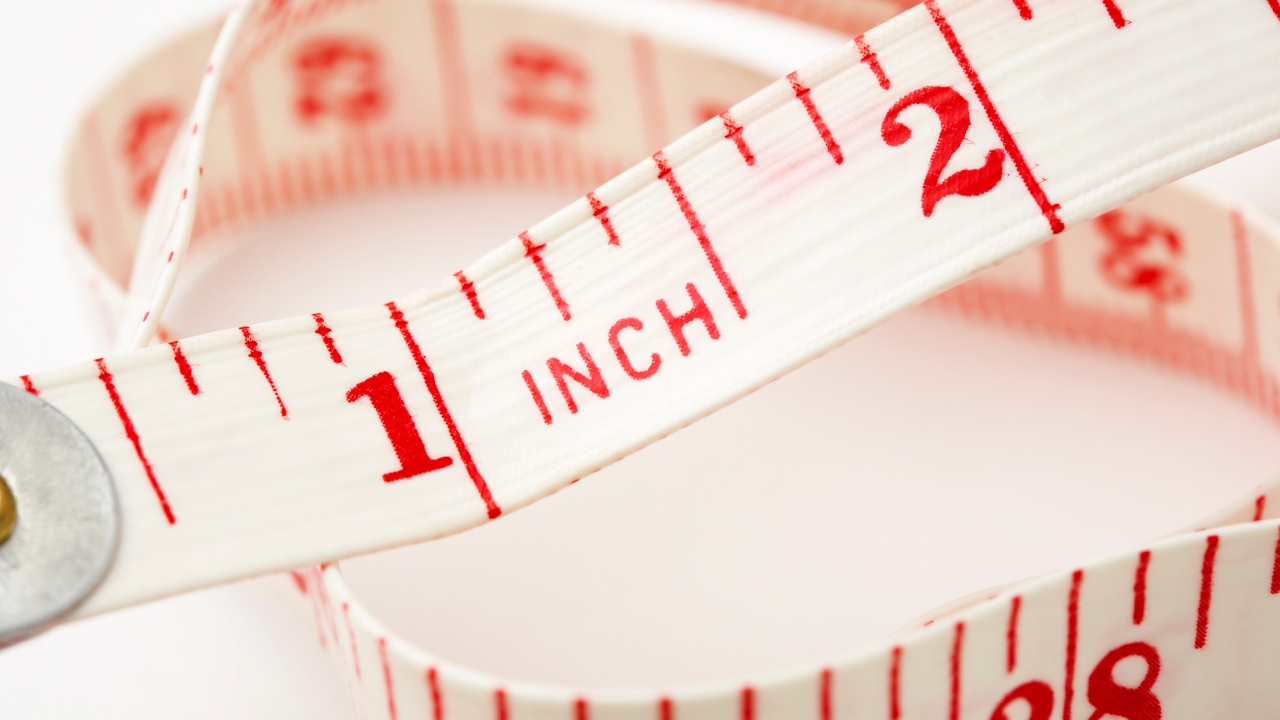
0.75 inches is the same as three-quarters of an inch. On a standard ruler, it’s the third major mark between 0 and 1 inch.
You’ll often see it written as:
- 0.75 inches
- ¾ inch
- Three-quarter inch
All three mean the same thing.
This measurement is extremely common because it sits right in the sweet spot—not too small, not too large. That’s why manufacturers and builders love it.
The Official Conversion: 0.75 Inches to mm
Now let’s convert it properly.
The fixed rule is:
1 inch = 25.4 millimeters
So the math looks like this:
0.75 × 25.4 = 19.05 mm
That’s not an approximation. 19.05 mm is exact.
Any time you see ¾ inch converted correctly into metric units, this is the number you should see.
Why You Shouldn’t Round 19.05 mm Too Quickly
A lot of people are tempted to round 19.05 mm down to 19 mm or up to 19.1 mm. Sometimes that’s fine. Sometimes it’s a problem.
When Rounding Is Risky
- Machining and metalwork
- CNC cutting
- Engineering drawings
- Automotive parts
- Tight-fitting components
In these cases, even 0.05 mm can cause alignment issues, vibration, or improper fits.
When Rounding Is Usually Okay
- Woodworking
- Home DIY projects
- Craft work
- Visual spacing
- Rough construction
The key takeaway is simple: know the exact number first, then decide whether rounding makes sense.
Why 0.75 Inches Is Such a Popular Measurement
Three-quarters of an inch shows up more often than you might realize.
Common Uses of 0.75 Inches
- Wood thickness (especially plywood and boards)
- Pipe and tubing sizes
- Furniture dimensions
- Hardware components
- Tool specifications
- Structural spacing
When these items are sold or manufactured internationally, metric equivalents are required—bringing 19.05 mm into the picture.
Visualizing 0.75 Inches vs 19.05 mm
If numbers feel abstract, let’s make this practical.
Picture a ruler:
- One full inch is easy to spot
- Half an inch is right in the middle
- Three-quarters of an inch is one more large tick past the halfway point
Now imagine a metric ruler next to it. That same length lands just past 19 mm, stopping exactly at 19.05 mm.
Once you’ve seen it once, your brain starts connecting the dots automatically.
Inches vs Millimeters: Why the Difference Exists
This conversion exists because two systems are in play.
The Imperial System (Inches)
- Commonly used in the United States
- Based on fractions
- Great for everyday measuring
- Can get messy with conversions
The Metric System (Millimeters)
- Used by most of the world
- Based on powers of ten
- Extremely precise
- Ideal for engineering and manufacturing
Millimeters are smaller units, which makes them perfect for detailed work. That’s why global industries often prefer metric specs—even when inches are still used locally.
Quick Comparison Table for Context
To give you a better sense of scale, here are a few related conversions:
- 0.25 inches = 6.35 mm
- 0.5 inches = 12.7 mm
- 0.75 inches = 19.05 mm
- 1 inch = 25.4 mm
Notice the pattern? Most inch fractions turn into millimeter values with decimals. That’s completely normal.
How to Convert Inches to mm Yourself
You don’t need a calculator every time—just remember one number.
25.4
That’s the magic multiplier.
Conversion Formula
Inches × 25.4 = Millimeters
Example
0.75 × 25.4 = 19.05 mm
Once you use this formula a few times, it becomes second nature.
Common Mistakes People Make
Even experienced builders and designers slip up sometimes. Here are the most common issues to avoid.
Mixing Units Mid-Project
Using inches in one part and millimeters in another without labeling can cause serious confusion.
Rounding Too Early
Always convert first, then round if necessary.
Assuming “Close Enough”
¾ inch is not “about 19 mm.” It’s 19.05 mm, and that extra precision can matter.
Why 25.4 mm per Inch Is Non-Negotiable
This number wasn’t chosen randomly.
In 1959, multiple countries agreed to define one inch as exactly 25.4 millimeters. This global agreement eliminated inconsistencies and made conversions reliable worldwide.
That’s why today’s conversions—like 0.75 inches to mm—are exact and trustworthy.
Practical Situations Where This Conversion Comes Up
You might encounter this conversion when:
- Buying tools made overseas
- Reading product manuals
- Designing parts for 3D printing
- Ordering materials online
- Working with mixed measurement systems
Knowing the exact value saves time, prevents mistakes, and boosts confidence.
Final Answer (Because Clarity Matters)
Let’s lock it in one last time.
0.75 inches equals 19.05 millimeters.
It’s precise. It’s standard. And now, it’s something you won’t forget.
The next time someone asks how many millimeters are in three-quarters of an inch, you’ll have the answer—and the explanation—ready to go.