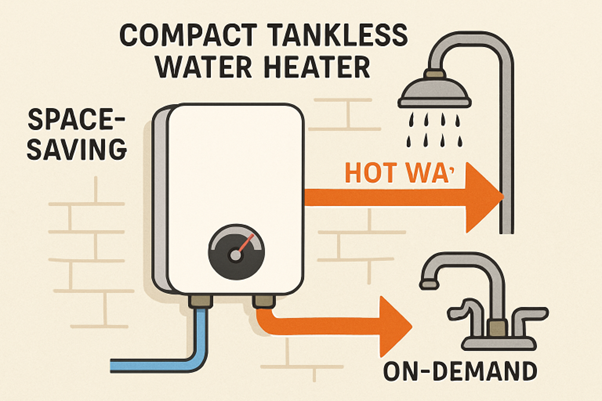
Across the country, homeowners are seeking more innovative, more efficient ways to manage their energy expenses. Among the most promising upgrades is the tankless water heater, which is quickly gaining popularity for its ability to deliver hot water only when needed, reducing energy waste and saving money. If you are considering a tankless water heater installation in Oahu, understanding the technology and its benefits can be a real game-changer for your home.
Unlike conventional storage water heaters that operate around the clock to keep a reservoir of water hot, tankless models heat water only on demand. This means they only use energy when hot water is being used, resulting in greater efficiency. As families become more conscious of sustainability, switching to a tankless water heater is a practical step to reduce both utility costs and environmental impact.
The impact of tankless units extends beyond just utility savings. These systems offer endless hot water, take up less physical space, and are increasingly designed with modern features like smart controls for added convenience and insight into household energy use. Whether renovating an older property or upgrading a newer space, homeowners benefit from both the near-term perks and the long-term value these innovations provide.
To ensure you make the right choice for your needs, it’s essential to understand how tankless water heaters work, their key benefits, and the factors to consider before installation. The information below outlines why so many homeowners are moving away from traditional tank water heaters in favor of these more advanced systems.
Energy Efficiency and Cost Savings
One of the leading reasons homeowners choose tankless water heaters is energy efficiency. According to the U.S. Department of Energy, tankless heaters can be 24 percent to 34 percent more energy efficient for homes that use 41 gallons or less of hot water each day. For higher usage households, savings generally range from 8 percent to 14 percent. These improvements help lower monthly energy bills while reducing overall gas or electricity consumption.
This efficiency comes from the tankless heater’s ability to avoid the standby heat losses inherent in traditional tank systems. Instead of constantly reheating stored water, tankless models only consume energy when someone in the household turns on a hot water tap or appliance. Over the course of a year, these savings can really add up, especially for homeowners focused on cost-effective upgrades.
Continuous Hot Water Supply
Nothing is more frustrating than running out of hot water in the middle of a shower. Traditional water heaters can run out of water during peak usage, but tankless units heat water as it passes through the system. This on-demand approach means you never run out, regardless of how many showers, loads of laundry, or dish cycles are needed back-to-back. Families with busy schedules or multiple bathrooms find this especially helpful for keeping everyone comfortable and routines on track.
With whole-house tankless heaters properly sized for your specific needs, you can rely on a constant, uninterrupted flow, ideal for larger households or those with demanding hot-water needs.
Space-Saving Design
Tankless water heaters are considerably smaller than their tank-style counterparts and can often be wall-mounted. This compact footprint opens up valuable floor space in utility closets, garages, or laundry areas. For homes with limited square footage, such as apartments or condos, this can make a world of difference. Installing these units closer to points of use can also reduce the time it takes for hot water to reach faucets or showers, further improving efficiency and convenience.
Environmental Impact
Reducing energy use does more than just cut costs. It also helps decrease your household’s carbon footprint. Many tankless units are designed with durable, recyclable components and can work in conjunction with renewable energy systems, such as solar water heaters. This makes them a sustainable choice, promoting a “greener” lifestyle without sacrificing comfort. It is worth noting that tankless heaters reduce the frequency of replacement, further minimizing landfill waste and manufacturing emissions over time. To deepen your understanding of sustainable home improvements, consider browsing resources offered by the Environmental Protection Agency (EPA).
Longevity and Maintenance
Investing in a tankless water heater is not only about immediate benefits but also about long-term value. Most quality tankless units last 20 years or more, compared to 10 to 15 years for traditional water heaters. This extended lifespan translates into fewer replacements, resulting in significant long-term cost savings. To maintain optimal performance, regular maintenance such as flushing the system to remove mineral deposits is recommended, especially in areas with hard water. Basic upkeep and timely servicing help ensure efficiency and durability, making these systems a wise investment for the long haul.
Smart Technology Integration
Modern tankless water heaters are equipped with innovative features that let homeowners control settings, monitor energy use, and receive maintenance alerts through their smartphones or tablets. Features like programmable schedules, remote temperature adjustments, and usage tracking empower users to optimize comfort and efficiency. Some advanced units even learn daily routines and adapt heating cycles to save additional energy, all while delivering reliable hot water precisely when needed. If you want to dive deeper into how technology is transforming home efficiency, Forbes Home articles offer solid insights into top models and features.
Considerations Before Switching
While tankless water heaters offer plenty of advantages, there are a few things to keep in mind:
- Initial Cost: Tankless models generally come with higher upfront costs for both purchase and installation. However, many homeowners find that ongoing energy savings and extended lifespan justify the investment.
- Installation Requirements: Installation may require upgrades to your home’s gas, electric, or venting systems. Working with an experienced installer ensures you get the best performance and safety from your new system.
- Flow Rate Limitations: It’s essential to select a unit with an adequate flow rate to meet simultaneous hot water demands. Proper sizing and consultation can help avoid any reduction in household comfort.
Conclusion
Tankless water heaters provide a forward-thinking solution to home water heating. With significant energy and cost savings, a virtually endless hot water supply, modern convenience, and eco-friendly credentials, they are an excellent option for those looking to upgrade. Carefully assessing your household’s needs and consulting with experts can ensure you choose the right system, maximizing both immediate benefits and longer-term value.