Every home changes with the seasons, and one of the simplest ways to enhance comfort and style is by adapting your window treatments. Not only do window coverings play a crucial role in energy efficiency and privacy, but making seasonal adjustments can improve natural light, help regulate temperature, and keep your space looking fresh all year long. If you ever need quick fixes or upgrades, window shade repair in Vancouver, WA is available to ensure your home remains both attractive and functional.
Whether you prefer sleek modern shades or classic draperies, these practical, easy tips will help you optimize your window treatments for each season, boosting your home’s comfort and aesthetics.
Spring: Embrace Natural Light
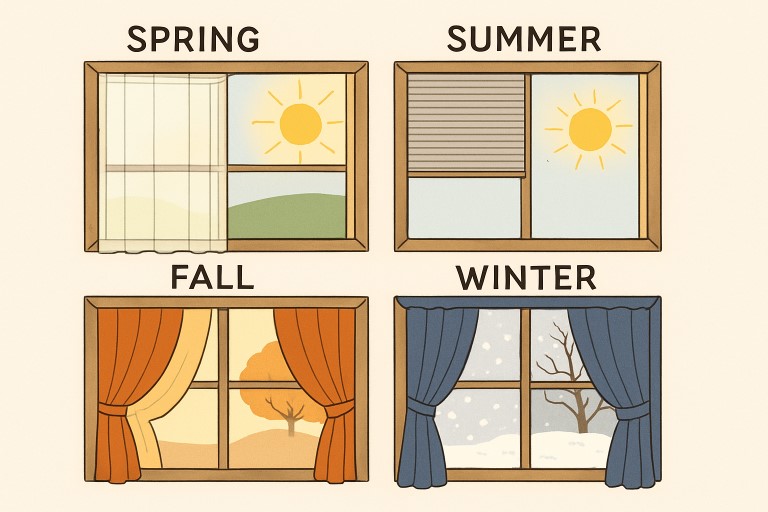
Spring is synonymous with renewal. As sunlight shifts and outdoor scenery starts to bloom, it’s the perfect time to maximize daylight indoors. Lightweight, sheer fabrics and blinds are ideal, helping welcome sunshine and give rooms a fresher, brighter ambiance during spring’s longer days. One popular option is zebra shades, which combine alternating layers of sheer and solid fabric for controlled light and subtle privacy.
In rooms where privacy becomes important but you still want to enjoy the expanded daylight, consider adjustable shades or roller blinds. These choices help filter sunlight, reduce glare, and allow homeowners to tailor the atmosphere from morning to evening.
For those considering new installations, exploring blinds installed near me can make the process simple and ensure your window solutions are expertly fitted.
According to Good Housekeeping, layering treatments such as using sheer shades behind heavier curtains can balance natural light while providing seasonal flexibility.
Summer: Keep Cool and Protect Interiors
As summertime brings more heat and higher UV exposure, protecting your indoor space becomes essential. Cellular shades, also known as honeycomb shades, are especially effective during summer. Their structure traps air and acts as an extra insulation layer, reducing heat transfer and helping cut down on air conditioning bills.
Consider blinds and shades with reflective liners or lighter colors, which deflect sunlight and keep rooms cooler throughout the hotter months. In addition to increased comfort, these treatments help shield furniture, wood floors, and artwork from harmful UV rays, preserving your interior investments for years to come.
Fall: Add Warmth and Coziness
As temperatures start to dip, the focus shifts to creating a cozy indoor atmosphere. Fall is a great time to introduce layered window treatments, combining Roman shades with decorative curtains in warm, earthy hues such as rust, gold, or deep green. Layers not only add dimension to your decor but also offer another barrier against drafts.
Textured fabrics such as velvet, suede, or heavy cotton are best for these cooler months because they help retain warmth. Switching up patterns and colors for autumn can also make a living space feel more in tune with the changing leaves and create a welcoming retreat at home.
Winter: Insulate and Conserve Energy
Winter’s cold temperatures call for treatments that prioritize insulation and energy savings. Heavy, lined drapes and blackout roller shades add another layer between your windows and living space, minimizing heat loss and keeping rooms comfortable. Ensuring window treatments fit snugly with minimal gaps or drafts makes a significant difference; sealed edges further prevent warm air from escaping and cold air from entering.
If long, thermal curtains are not your style, combining existing shades with magnetic or adhesive insulation strips can also help conserve energy without sacrificing your chosen look.
Year-Round Maintenance Tips
- Regular Cleaning: Blinds and shades often accumulate dust and allergens, especially in high-traffic or open-window areas. Clean blinds every few weeks and launder or vacuum curtain fabrics periodically to keep treatments looking new and functioning well.
- Inspect Mechanisms: Cords, pulleys, chains, and motorized systems require periodic checks for signs of wear or fraying. Well-maintained mechanisms ensure effortless operation and reduce the risk of accidental damage.
- Material Considerations: The best window treatments for your home often depend on local weather conditions. For example, faux wood blinds resist warping from humidity and temperature fluctuations better than real wood, making them a dependable choice for kitchens and bathrooms.
When to Update Your Window Treatments
Blinds and shades are built to last, but they will eventually wear and tear. Common signs that it’s time for replacement include noticeable fading, persistent dust buildup, broken slats, or difficulty opening and closing. Scheduling installation or repairs during mild weather, such as spring or fall, ensures a smooth transition that minimizes disruption in your daily routine.
Keep your space up to date, and don’t hesitate to contact local experts if you are unsure which solutions work best for your home.
Final Thoughts
Adapting your window treatments with each season truly pays off. Tailoring blinds and shades to address temperature, lighting, and aesthetic needs helps ensure your home remains comfortable, efficient, and beautiful year-round. By selecting the right materials, prioritizing regular care, and making timely updates, you can achieve a perfect balance of style and utility in every room.