Key Takeaways
- Recurring pest activity often calls for accurate identification, targeted treatment, and prevention rather than a single quick fix.
- Inspections can reveal entry points, moisture concerns, food sources, harborage areas, and signs of pest damage.
- St. Louis homes and businesses can benefit from year-round planning because pest concerns shift with the seasons.
- Customers should ask about treatment preparation, follow-up service, callback policies, and prevention recommendations.
Seeing pests return after a store-bought spray or trap can be frustrating, especially when activity keeps showing up in the kitchen, basement, garage, yard, or business. For property owners dealing with recurring insect or rodent infestations, an inspection-led service that identifies the pest problem, addresses contributing conditions, and creates a plan for continued protection is available through local providers like Pointe Pest Control St. Louis.
In the St. Louis area, pest pressure can change with the season, property type, and condition of a home or building. Ants, mosquitoes, spiders, wasps, termites, cockroaches, bed bugs, and rodents each require a different response. A professional inspection helps move the conversation beyond “what can I spray?” to “what is causing this activity, and what should happen next?”
Warm, humid periods can bring more outdoor insect activity, while cooler weather can encourage rodents to seek shelter indoors. Some pests, including cockroaches and bed bugs, may remain active inside throughout the year. This makes routine prevention useful for homeowners who want to limit surprise infestations and for businesses that need consistently clean, usable spaces.
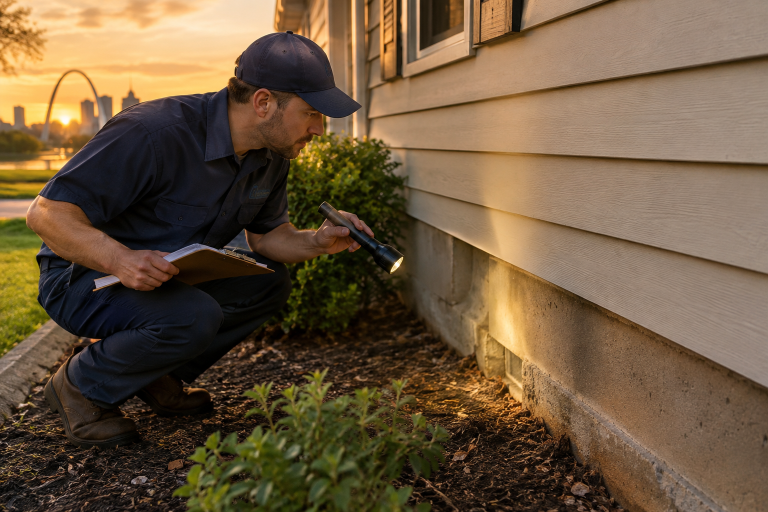
The first step should be determining what is present and where it is coming from. During an inspection, a technician may look at interior rooms, basements, attics, garages, crawl spaces, foundations, landscaping, doors, windows, utility openings, standing water, and cluttered storage areas. Evidence such as droppings, gnaw marks, mud tubes, shed insect wings, webs, nests, or damaged wood can help guide the treatment decision.
For homeowners and businesses that need support beyond a single service visit, customized plans for residential and commercial pest concerns are available, including scheduled quarterly treatments and free callbacks between services for covered activity through providers like Pointe Pest Control. The right plan should reflect the pest involved, the property’s layout, and the conditions that could allow the problem to recur.
Why Inspection Comes Before Treatment
Pest control is more effective when the treatment matches the pest. Ants may require locating trails and nesting areas. Rodent service may focus on signs of access, nesting, and food availability. Mosquito reduction can involve identifying locations where mosquitoes rest and where water collects. Bed bug concerns require a detailed inspection of sleeping areas, furniture, seams, and nearby hiding places.
Termite warning signs deserve prompt attention. Mud tubes, discarded wings, or damaged wood are reasons to schedule an inspection rather than assume the cause. Likewise, persistent cockroach sightings, nighttime activity, egg cases, or droppings indicate a problem unlikely to be solved by treating only the visible insects.
Common Local Pest Concerns
- Ants: Repeated trails near food, moisture, windows, or doors may point to an ongoing nesting or access issue.
- Termites: Signs of possible wood damage or swarm activity should be evaluated by a qualified pest professional.
- Rodents: Droppings, scratching sounds, chewed materials, or gaps around utility lines can signal a need for control and exclusion work.
- Mosquitoes: Shaded vegetation and standing water around outdoor living areas can attract mosquitoes.
- Spiders and wasps: Webs, egg sacs, or nests near eaves, decks, siding, and entryways can create ongoing concerns.
- Bed bugs and cockroaches: These indoor pests require a targeted plan based on the extent and location of the infestation.
Using an Integrated Pest Management Approach
Effective pest management is not limited to applying a product. Integrated pest management combines monitoring, identification, prevention, and appropriate controls to manage pests while considering risk. In practical terms, that can mean combining professional treatment with sanitation, moisture reduction, exclusion, monitoring, and property-specific recommendations.
For a St. Louis property, a layered approach may include sealing accessible gaps, managing food and trash, correcting drainage issues, reducing clutter, trimming vegetation away from the structure, and following technician preparation instructions. These measures do not replace treatment when an active infestation is present, but they can reduce the conditions pests use for food, water, shelter, and access.
What Customers Can Expect From Ongoing Service
Professional pest control services in St. Louis begin with an inspection and the development of customized treatment plans for local homes. Residential service typically includes exterior treatments year-round, interior treatments as needed, and quarterly preventive service options. Commercial properties, including businesses in health care, education, food service, manufacturing, and other settings where pest issues can disrupt operations, also benefit from specialized service plans.
Before treatment, customers should ask what preparation is required and whether people or pets need to avoid treated areas for a specified period. A responsible provider should explain the steps of the service, identify what is being treated, and clarify what customers can do between visits. No pest-control treatment should be described as risk-free, so clear communication, label-directed application, and appropriate product selection matter.
Mosquito Control Around St. Louis Homes
Mosquito control is both an outdoor comfort concern and a practical part of property upkeep. In addition to professional treatment where appropriate, homeowners can remove water that collects in containers, maintain gutters, refresh pet water regularly, and keep vegetation manageable. The CDC advises residents to prevent mosquito bites by using protective measures and reducing mosquito breeding areas, which complements a broader mosquito-management plan.
When to Request Professional Pest Control
It is time to request an inspection when pests keep returning after do-it-yourself efforts, the source of activity is unclear, or there are signs of termites, rodents, bed bugs, or cockroaches. Property owners may also benefit from service before moving into a home, after construction or renovation, or when mosquitoes make a patio, deck, or yard difficult to enjoy.
For businesses, regular pest management can help address issues before they affect customers, employees, inventory, or daily operations. Asking about inspections, covered pests, follow-up visits, communication, and prevention recommendations gives decision-makers a clearer basis for comparing service options.
Choose a Plan Built for the Property
Recurring pest problems are easier to manage when the response begins with inspection and continues with targeted treatment and prevention. Whether the concern is an ant trail in a St. Louis kitchen, rodent activity in an attic, mosquitoes around a backyard, or pest pressure at a commercial property, a customized plan can provide a clearer path forward. The goal is not simply to react to the latest sighting, but to address the conditions that allow pests to remain a problem.