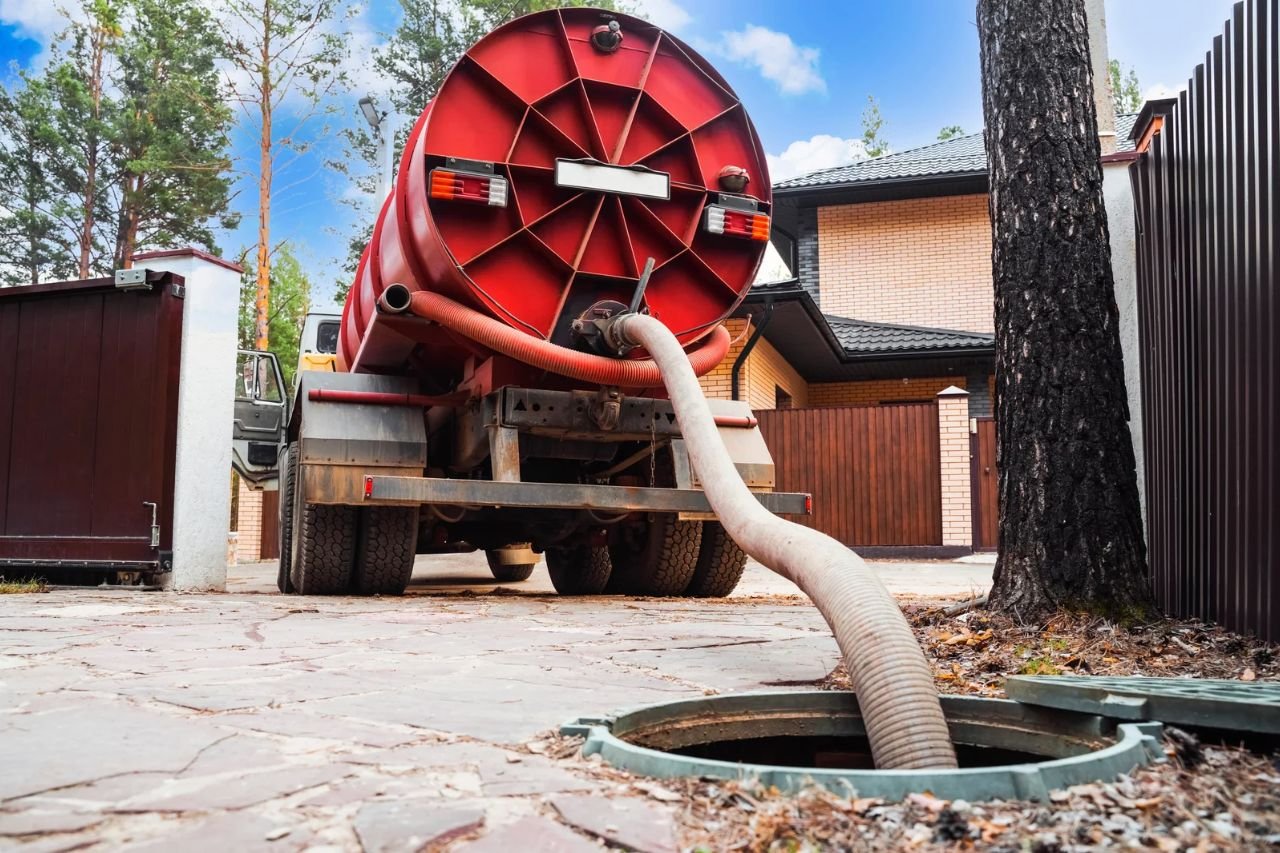
A septic pumping truck is easy to recognize, but the equipment inside it does more than collect wastewater. Technicians use several tools to locate buried tanks, measure waste levels, remove thick sludge, and inspect components that homeowners cannot see from the surface. Each piece of equipment serves a different purpose, and understanding how it works gives property owners a better idea of what happens during professional septic maintenance.
Vacuum Trucks Handle the Heaviest Part of the Job
Vacuum trucks are the main equipment used for septic tank pumping services. These vehicles carry sealed storage tanks and mechanical vacuum pumps that create the pressure difference needed to draw wastewater, sludge, and floating waste through a suction hose.
Tank capacity matters because the truck must have enough available storage to collect the waste being removed. Operators monitor vacuum gauges and storage levels throughout the process to maintain steady suction and avoid overfilling the truck.
Collected waste remains inside the sealed tank until the truck delivers it to an approved treatment or disposal facility. This equipment allows technicians to transport septic waste without releasing it onto the property.
Heavy-Duty Suction Hoses Reach Deep Into the Tank
Septic pumping hoses must withstand vacuum pressure while carrying liquids, thick sludge, and suspended solids. Their reinforced construction helps prevent collapse during suction, while suitable hose diameters allow heavier material to pass through.
Technicians select hose lengths based on the distance between the truck and the tank’s access openings. Longer hoses can increase resistance and reduce pumping efficiency, especially when wastewater contains dense solids.
Proper positioning also makes a difference. Operators move the hose through accessible areas to collect settled material rather than drawing wastewater from only one location.
How Do Technicians Locate Buried Septic Tank Lids?
Older properties sometimes have septic tanks buried beneath several inches of soil, with no visible risers marking their location. Finding the access openings may require more than following the sewer pipe from the house.
Professionals can use electronic locating equipment, soil probes, and existing property records to narrow down the tank’s position. A locating transmitter placed inside suitable piping can help identify the route of buried sewer lines.
Once technicians locate the tank, they carefully expose the access lids using appropriate digging tools. Accurate locating reduces unnecessary excavation and helps prevent damage to underground utilities or septic components.
Sludge Measuring Tools Show When Pumping Is Necessary
A septic tank normally contains liquid wastewater, so its appearance alone cannot determine whether pumping is overdue. Technicians need to measure the accumulated layers of sludge and scum to assess the available settling space.
Sludge measuring devices help estimate how much solid material has collected at the bottom. Scum measuring tools determine the thickness of floating waste near the surface.
These measurements help a septic pumping company recommend service based on actual tank conditions. They also provide useful information for establishing future maintenance intervals instead of relying on a fixed schedule for every household.
Equipment Used to Loosen Stubborn Waste Deposits
Thick sludge does not always move easily through a suction hose. Waste that has settled for several years may become compacted, making additional agitation necessary before pumping can remove it.
Technicians sometimes use the suction hose itself to disturb softer deposits and mix them with remaining wastewater. Depending on the equipment available, controlled liquid recirculation can help loosen heavier buildup.
The process requires careful handling around aging baffles and internal walls. Excessive force could damage deteriorated components, so operators adjust their cleaning methods according to the tank’s condition.
Inspection Cameras and Filter Cleaning Tools
Septic inspections may involve cameras that help technicians examine accessible pipes for blockages, root intrusion, or damaged connections. These tools are particularly useful when drainage problems continue after pumping.
Effluent filters also require attention because accumulated particles can restrict wastewater leaving the tank. Technicians use appropriate cleaning tools to remove trapped solids while preventing debris from entering the outlet pipe.
Protective gloves, eye protection, and other safety equipment help reduce exposure to contaminated wastewater. Professionals must also account for hazardous gases around septic openings and avoid entering tanks without specialized confined-space procedures.
Why Equipment Quality Matters During Septic Service
Homeowners searching for septic tank service near me may want to ask what equipment a provider uses and whether the service includes waste removal from all accessible compartments. Proper tools help technicians work efficiently and identify maintenance concerns that basic pumping might miss.
Cora Environmental handles septic tank pumping and related maintenance work throughout Huntsville, Alabama, and nearby communities. Property owners scheduling a pump-out can contact the company to discuss their tank’s condition, access requirements, and cleaning needs, particularly if heavy sludge or recurring drainage problems have made previous maintenance difficult.