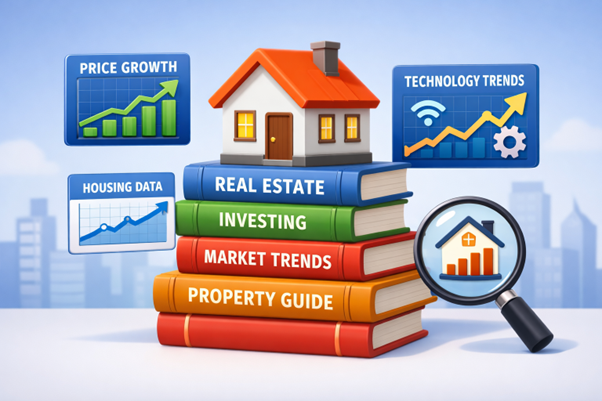
The real estate landscape is continually evolving, influenced by economic shifts, technological advancements, and changing consumer behaviors. To successfully navigate this dynamic market, both buyers and sellers must adopt informed strategies that align with current trends. For those seeking expert guidance in the Sandy Springs area, partnering with a knowledgeable professional can make a significant difference. The Sandy Springs GA real estate agent Lindsay Levin, offers unparalleled expertise in this region. With a background as a former commercial real estate attorney and a deep understanding of the local market, Lindsay and her team provide clients with tailored strategies to achieve their real estate goals.
Understanding Market Dynamics
Grasping the intricacies of the real estate market is crucial. Factors such as interest rates, employment statistics, and local development projects significantly impact property values and demand. Staying up to date on these elements enables informed decision-making and strategic planning. For instance, in areas like Sandy Springs, ongoing infrastructure developments can influence property desirability and pricing.
Leveraging Technology in Real Estate
Technology has revolutionized the real estate sector. Virtual tours allow potential buyers to explore properties remotely, enhancing convenience and broadening the pool of prospective clients. Additionally, data analytics tools provide insights into market trends, helping stakeholders make evidence-based decisions. Utilizing these technological advancements can streamline the buying and selling process, making transactions more efficient and transparent.
Building Strong Client Relationships
Establishing trust and rapport with clients is fundamental. Real estate professionals should prioritize understanding client needs, maintaining transparent communication, and offering personalized services. This approach not only fosters loyalty but also enhances the overall transaction experience. For example, agents who take the time to understand a client’s lifestyle preferences can better match them with suitable properties, leading to higher satisfaction and successful outcomes.
Adapting to Market Fluctuations
The real estate market is subject to fluctuations. Professionals must remain agile, adjusting strategies to accommodate changing conditions. This adaptability ensures resilience and sustained success in varying economic climates. For instance, during periods of economic downturn, focusing on properties with stable demand or exploring alternative financing options can help maintain business momentum.
Emphasizing Continuous Education
Ongoing education is vital in the real estate industry. Staying informed about new regulations, market trends, and technological tools equips professionals to offer superior service and maintain a competitive edge. Engaging in regular training sessions, attending industry conferences, and obtaining relevant certifications can enhance an agent’s knowledge base and skill set.
Utilizing Data-Driven Strategies
Incorporating data analytics into real estate practices allows for more precise market assessments and strategy development. By analyzing patterns and forecasts, professionals can make informed decisions that align with market realities. For example, understanding demographic shifts and consumer preferences can guide marketing efforts and property recommendations, leading to more successful transactions.
Enhancing Online Presence
A robust online presence is essential in today’s digital age. Maintaining an updated website, engaging in social media, and utilizing online marketing strategies increase visibility and attract a broader audience. For instance, showcasing properties through high-quality images and virtual tours on social media can capture potential buyers’ attention and generate leads.
Collaborating with Experienced Professionals
Partnering with seasoned experts can provide valuable insights and guidance. For instance, working with a reputable real estate agent can streamline the buying or selling process, ensuring a smoother transaction. Experienced agents bring a wealth of knowledge, negotiation skills, and a network of contacts that can be instrumental in achieving favorable outcomes.
Focusing on Community Engagement and Local Knowledge
One increasingly vital aspect of thriving in today’s real estate market is a deep commitment to community engagement and local expertise. Buyers and sellers are not just interested in the properties themselves but in the neighborhoods, schools, amenities, and the broader community culture. A successful agent often provides clients with information about local events, school ratings, new development projects, and even local businesses. For example, providing insights on upcoming farmers’ markets, community festivals, or school open houses can help clients make more informed decisions and feel more confident in their choices. Agents who actively engage with and contribute to the community often find that their reputation grows organically through word-of-mouth referrals and local testimonials.
Tailored Marketing Techniques
Customizing marketing approaches for each property listing has become a critical asset in the digital era. It’s no longer sufficient to place a listing online and hope for results. Modern real estate marketing involves creating unique, compelling narratives for each property, utilizing drone photography, producing stylish video walkthroughs, and crafting targeted social media ad campaigns. These efforts can dramatically increase exposure and attract qualified buyers who might otherwise overlook a property. Additionally, specialized staging techniques can highlight a home’s key features and help secure a quicker sale at a more favorable price point. Agents who invest in innovative marketing often see higher client satisfaction and enhanced results.
Prioritizing Transparency and Ethics
Today’s buyers and sellers demand more transparency and ethical conduct from their real estate professionals. By adhering to clear ethical guidelines and establishing open, honest communication at every step of the process, agents build lasting trust. This trust not only forms the foundation for long-term relationships but also encourages repeat business and referrals. Being upfront about market trends, potential challenges, and transaction details fosters an environment where clients feel empowered to make well-informed decisions, minimizing misunderstandings and maximizing satisfaction.
Preparing for the Future of Real Estate
As the real estate landscape continues to transform, staying ahead of emerging trends is necessary for ongoing success. Innovations such as blockchain transactions, artificial intelligence-driven property valuations, and further advancements in virtual/augmented reality will shape the future market. Agents and clients alike must be prepared to learn and adapt continuously. Embracing these changes and proactively seeking out education and partnerships can create fresh opportunities and maintain a competitive advantage.
In conclusion, successfully navigating the modern real estate market requires a combination of market knowledge, technological proficiency, strong client relationships, adaptability, continuous learning, data-driven strategies, a solid online presence, and collaboration with experienced professionals. By embracing these strategies, individuals can effectively achieve their real estate objectives.