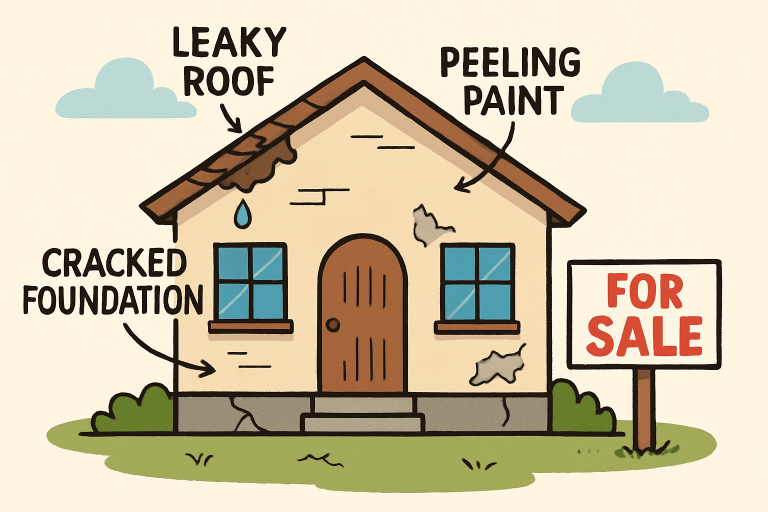
Before putting your home on the market, it is vital to understand the repairs required and their scope. A professional inspection can help you identify critical repairs such as leaks, outdated electrical panels, plumbing issues, or structural concerns that could ultimately impact your sale. Not only do these findings influence your pricing strategy, but they also shape the list of potential buyers. To learn more about selling a property in rough shape, visit https://www.brendanbuyshouses.com/sell-your-house-in-londonderry-new-hampshire/ for valuable guidance and next steps.
Thorough documentation from your inspection also prepares you to answer questions from serious buyers and ensures you are aware of issues that could surface during negotiations. Common problem areas include roofing, foundation cracks, HVAC deficiencies, mold, and water damage. By uncovering these issues early, you avoid last-minute surprises that can derail a sale.
Evaluate Repair Costs Versus Potential Return
The next crucial step is to estimate the costs for each recommended repair. Request itemized quotes from reputable contractors, so you know which projects carry the highest cost or could yield the best return on investment. Not every repair will elevate your home’s value equally, so focus on those that address safety, habitability, and code compliance first. For example, addressing a faulty foundation will almost always outweigh a fresh coat of paint in the eyes of buyers. In situations where repairs are extensive or time is limited, homeowners can also consider alternatives, such as brendanbuyshouses.com, to sell their property quickly without completing every renovation.
If you are unsure where to focus your budget, speak with a local real estate agent, who can offer insights based on your neighborhood and comparable sales.
Decide Between Making Repairs or Selling As-Is
Armed with an understanding of needed repairs and their cost, decide whether to invest in fixes or sell as-is. Listing the home without improvements can mean a lower sale price, but it also allows for a quicker closing and minimizes your out-of-pocket expenses. On the other hand, investing in certain key upgrades might expand your pool of interested buyers and help you secure a higher sale price.
Consider your financial position, current market conditions, and the urgency of your sale. If time is not pressing and funds are available, targeted repairs may deliver a stronger return. If a fast sale is essential or resources are limited, selling as-is might be the best path.
Understand Legal Disclosure Requirements
Transparency is paramount throughout the selling process. In almost every state, property owners have a legal obligation to disclose known defects and issues ranging from structural defects to environmental hazards that could affect the property’s value or safety. Failing to share these details can lead to lawsuits or the unraveling of a pending sale.
Complete disclosure not only fulfills legal requirements but also helps build trust with buyers, who may be more willing to proceed when they feel they are getting the full picture. Real estate professionals recommend creating a comprehensive disclosure statement and updating it as needed during the sales process.
Set a Competitive and Realistic Price
Price your property based on realistic expectations and market research. Analyze recent comparable sales in your neighborhood to help form an appropriate range. When selling a home that needs significant repairs, factor in estimated repair costs and the reduced pool of potential buyers.
An accurate, competitive price drives interest and can generate multiple offers, even for fixer-uppers. If pricing seems difficult, enlist the help of experienced real estate agents who know your local market dynamics.
Highlight the Property’s Potential
Even homes in need of work can attract strong interest when you showcase their hidden potential. Point out qualities that investors or handy buyers will appreciate, such as a large lot, charming original details, or a desirable location near schools or public transit. Tools such as virtual staging and “before and after” visualizations can help buyers see what is possible with the right vision and investment.
Emphasize amenities and neighborhood qualities to offset concerns about the property’s current condition. This approach helps buyers visualize improvement possibilities and can make your listing stand out.
Prepare for Negotiations
Offers on homes in need of repairs often include buyer requests for concessions, such as renovation-cost credits or price reductions. Come into negotiations prepared with a clear minimum sale price and the facts uncovered during your research. Providing inspection reports and repair estimates upfront can streamline this process and help set reasonable expectations on both sides.
Remaining flexible and transparent is key, especially when selling as-is. Open dialogue and willingness to compromise will make negotiations smoother and can help achieve a successful sale.
Consider Alternative Selling Options
If traditional selling seems daunting, turn to alternative strategies. Selling to a cash buyer or real estate investor can offer a much quicker transaction, fewer contingencies, and complete avoidance of repair work. These buyers purchase properties in any condition and offer a practical solution for sellers who want to close fast or who lack the resources for major renovations.
While the sale price may be below market value, you benefit from speed, convenience, and minimized risk of a deal falling through due to property condition. Explore all available options to determine which best aligns with your personal circumstances and goals.