When spring rolls around, most homeowners look forward to warmer days, blooming flowers, and weekend yard projects. But while you refresh your garden beds and outdoor spaces, there’s one area that often gets overlooked—your storage shed. After a long winter, temperature swings, moisture buildup, and pests can quietly threaten everything inside. A little preventive care now can go a long way in keeping your belongings safe and dry.
Why Spring Is the Time to Check Your Shed
Spring brings fluctuating weather patterns—sunshine one day, heavy rain the next. These rapid temperature shifts create the perfect environment for moisture damage and pest activity. Sheds often bear the brunt of these changes because they sit directly on bare ground or simple foundations. When winter melts, and spring rains saturate the soil, water can seep into small cracks or gaps you may have missed.
A spring inspection helps you spot potential problems early. Look for water stains, musty odors, or signs that doors or windows aren’t closing tightly anymore. Even a small gap can quickly lead to mold growth, warped flooring, or nesting animals seeking shelter from spring showers.
Moisture and Water Damage
Moisture is the number one enemy of outdoor storage buildings. Leaky roofs, clogged gutters, and poor drainage around the shed’s foundation can allow water to pool near the base. Over time, this leads to rotting wood, rusted tools, and ruined cardboard boxes.
How to prevent it:
- Check the roof for cracked shingles or worn patches in the waterproof membrane.
- Clear all gutters and downspouts so rainwater flows away from the structure.
- Inspect the shed’s foundation and grade the soil so it slopes outward to direct water away.
- Consider adding gravel or paving around the base to improve drainage.
If you notice damp spots inside, use a dehumidifier or moisture absorber until the shed dries. A coat of fresh waterproof sealant on the exterior walls can also provide long-term protection.
Pest Invasions After Winter
As temperatures rise, critters wake up hungry and in search of shelter. Mice, squirrels, and insects love sheds because they offer warmth, quiet, and access to materials perfect for nesting. These pests can chew through insulation, wiring, or even cardboard containers holding your belongings.
Smart steps to guard against pests:
- Seal all cracks and gaps with steel wool or caulking.
- Store seeds, bird food, and pet supplies in airtight metal containers.
- Keep the area around the shed clear of tall grass or brush where animals can hide.
- Consider using a natural deterrent, such as peppermint oil or cedar blocks, to discourage rodents and insects.
Routine inspections every few weeks during spring can help you catch new activity early before it turns into an infestation.
Mold and Mildew Growth
Spring humidity, combined with leftover winter dampness, creates the perfect conditions for mold. Mold spores can spread quickly in dark, unventilated areas and ruin stored fabrics, wood, or paper products.
To reduce the risk:
- Improve air circulation by installing vents or opening windows on dry days.
- Avoid storing items directly against the shed walls, which can trap moisture.
- Use shelving or heavy-duty plastic bins instead of cardboard boxes.
- Clean any existing mold with a vinegar or bleach solution, then repaint or reseal the affected surface.
Even simple changes, such as adding a solar-powered fan or a few ventilation grilles, can drastically reduce humidity levels.
Structural Wear and Tear
Cold temperatures and ice during winter can stress your shed’s materials. Wooden walls may expand and contract, while metal roofs might loosen at the seams. As spring approaches, those minor issues can grow into serious vulnerabilities.
Walk around the shed and check for:
- Warped boards or siding.
- Soft spots on the floor indicate rot.
- Rust forming on hinges, door handles, or fasteners.
- Windows and doors that no longer align properly.
Addressing these concerns right away ensures your shed remains secure and weather-resistant year-round.
Organization and Accessibility
Spring cleaning isn’t just for your home interior—it applies to your shed too. Cluttered, unorganized storage creates unnecessary stress and increases the risk of damage to items. When everything is stacked unevenly or left on the ground, moisture and pests have easier access.
Try these organizing tips:
- Group similar items together by category—garden tools, seasonal décor, sports gear.
- Install hanging hooks or pegboards for frequently used tools.
- Use plastic bins with labels for smaller items.
- Keep the floor clear so you can easily inspect for water or pest issues.
A well-organized shed makes it easier to maintain and safer to use throughout the busy gardening season.
The Benefits of Regular Maintenance
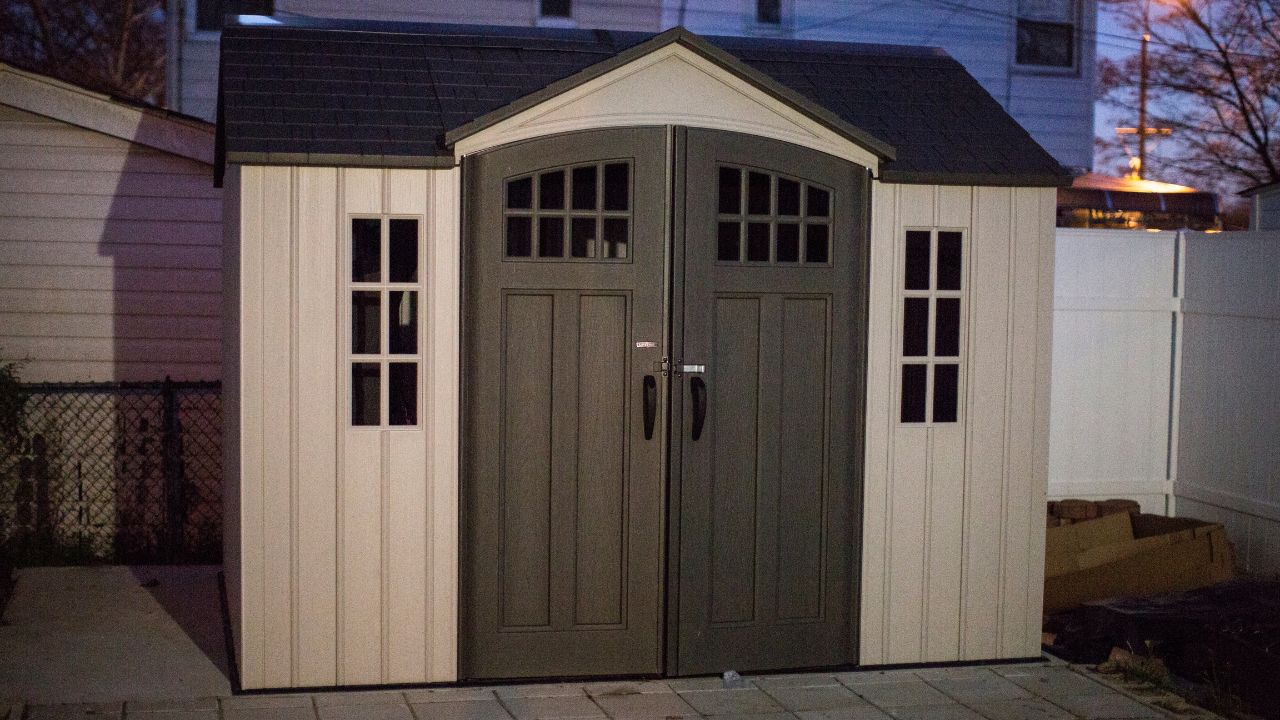
Caring for your shed each spring not only protects your gear but also extends the building’s lifespan. Whether you own a large workshop or this beautiful 8×8 storage shed, routine inspection and minor repairs can prevent costly replacements down the road. Think of it as part of your annual home maintenance checklist—protecting your investment while keeping outdoor spaces functional and inviting.
Spring is the perfect season for renewal, including giving your shed the attention it deserves. With a few hours of preventative care, you can ensure every tool, supply, and keepsake inside remains safe and in great condition—ready for the projects and adventures ahead.