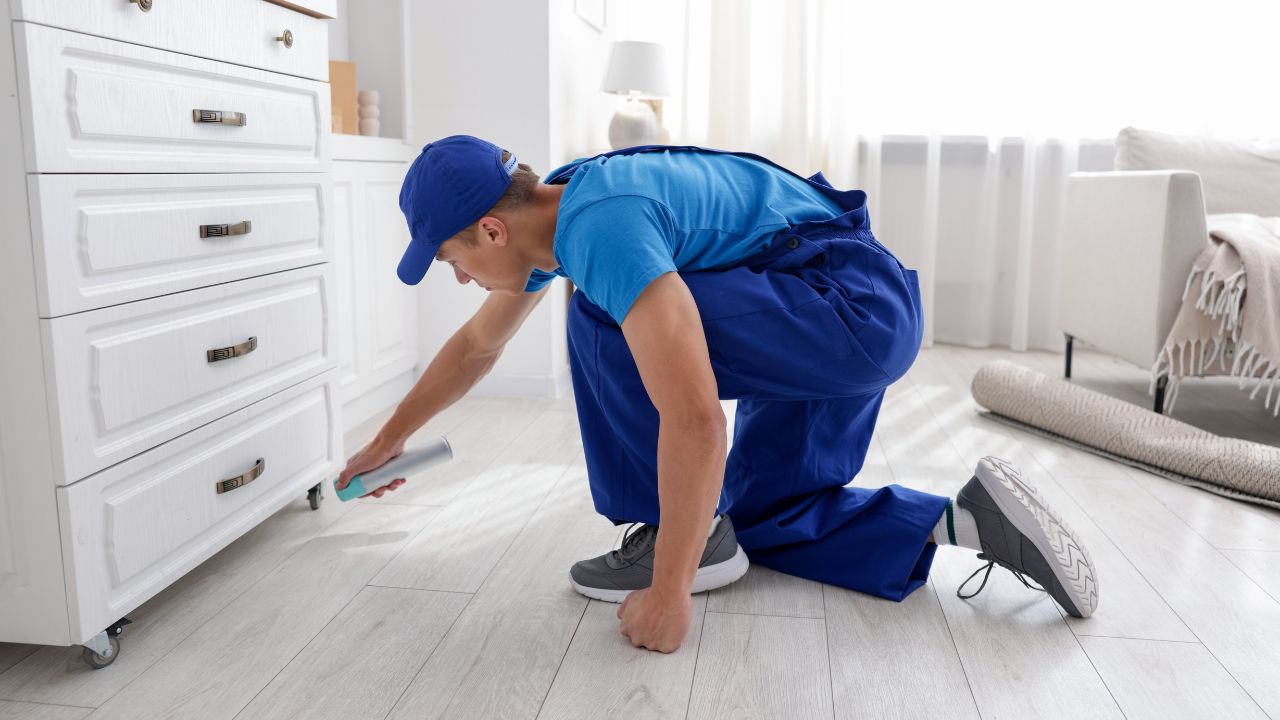
If you’re seeing small black flying bugs in your house that are not fruit flies, they are most commonly fungus gnats, drain flies, phorid flies, or flying ants.
To get rid of them:
- Identify the source (overwatered plants, dirty drains, trash, moisture, or structural issues).
- Eliminate moisture and breeding grounds.
- Use targeted treatments (drain cleaning, soil treatment, sticky traps, sealing cracks).
- Prevent recurrence with sanitation and moisture control.
The key is simple: You won’t win the battle unless you remove what they’re breeding in.
Now let’s break this down properly — because identifying the bug correctly is half the solution.
Step 1: Identify the Culprit (It’s Probably One of These)
Small black flying bugs are not all the same. Misidentifying them leads to wasted time and frustration. Here are the most common offenders in U.S. homes.
1. Fungus Gnats (Most Common Indoor Plant Pest)
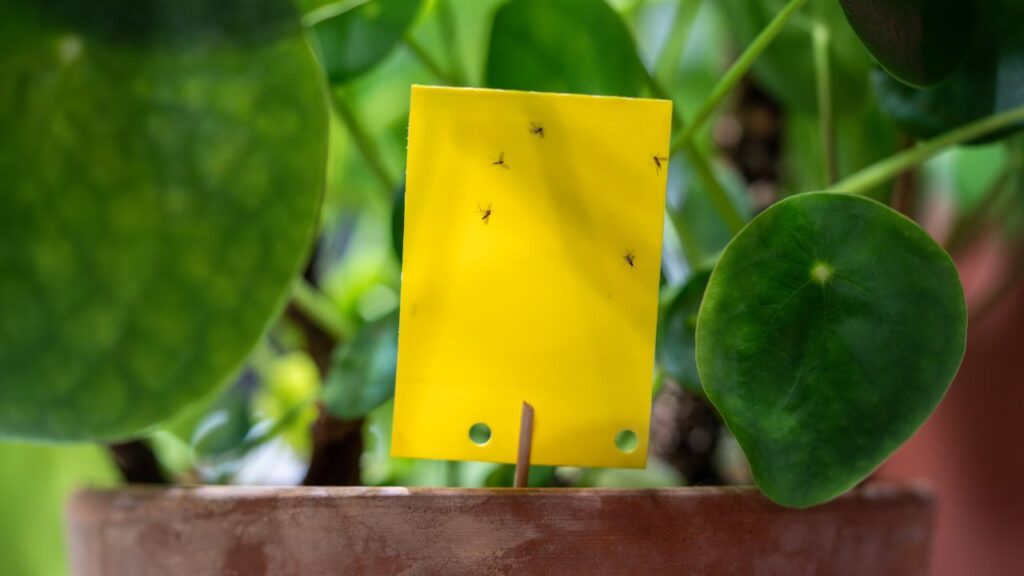
Where you’ll find them: Around houseplants
What they look like: Tiny black flies with long legs
Size: About 1/8 inch
Behavior: Hover around plants and windows
Fungus gnats lay eggs in moist potting soil. The larvae feed on fungi and organic matter in the soil.
According to research from University of Minnesota Extension, fungus gnats thrive in consistently damp soil and are one of the most common indoor plant pests.
Signs You Have Fungus Gnats:
- Flies hovering near plants
- Soil always damp
- Yellowing or weak plants
- Tiny larvae visible in topsoil
How to Get Rid of Fungus Gnats
1. Let Soil Dry Out
Most people overwater their plants. Let the top 1–2 inches of soil dry completely before watering again.
2. Replace Top Soil
Remove the top 1–2 inches of soil and replace with fresh, sterile potting mix.
3. Use Yellow Sticky Traps
These catch adult gnats and break the breeding cycle.
4. Use BTI (Bacillus thuringiensis israelensis)
This biological treatment kills larvae safely. Often sold as “mosquito bits.”
2. Drain Flies (Moth Flies)
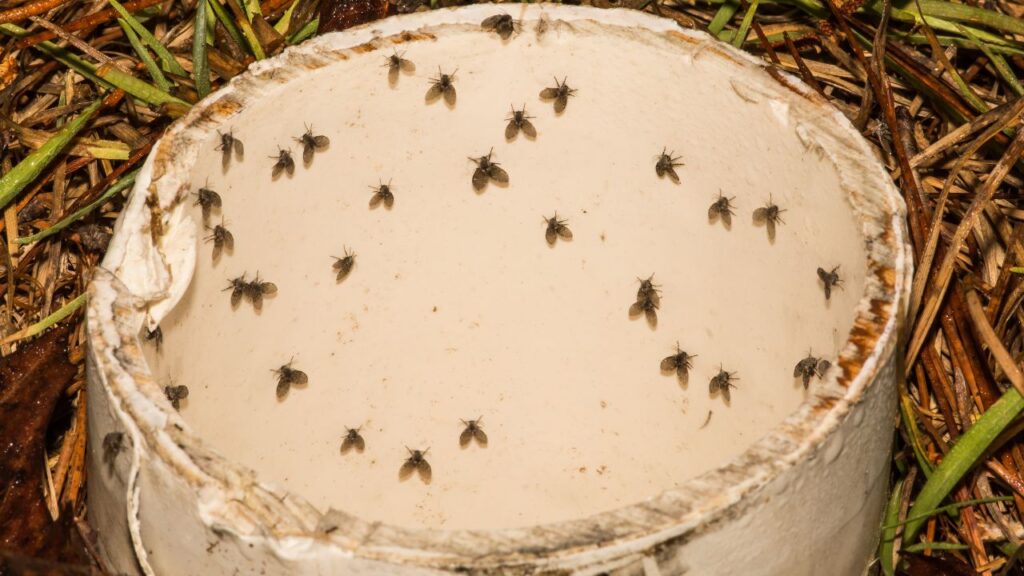
Where you’ll find them: Bathrooms, kitchen sinks, floor drains
What they look like: Fuzzy, moth-like wings
Size: 1/16–1/8 inch
Behavior: Rest on walls near drains
Drain flies breed in the slimy organic buildup inside drains.
The Environmental Protection Agency emphasizes that sanitation and removing organic buildup is essential for controlling these insects.
Signs You Have Drain Flies:
- Flies resting near sinks
- Sluggish flying
- Increased activity at night
- Musty odor from drains
How to Get Rid of Drain Flies
1. Clean the Drain Biofilm
Use:
- A drain brush
- Enzyme drain cleaner
- Baking soda + vinegar (for mild buildup)
Scrub inside the pipe where slime accumulates.
2. Boiling Water Flush
Pour boiling water down the drain daily for 3–5 days.
3. Tape Test
Place clear tape over the drain overnight. If flies stick underneath, that’s the source.
3. Phorid Flies (Humpbacked Flies)
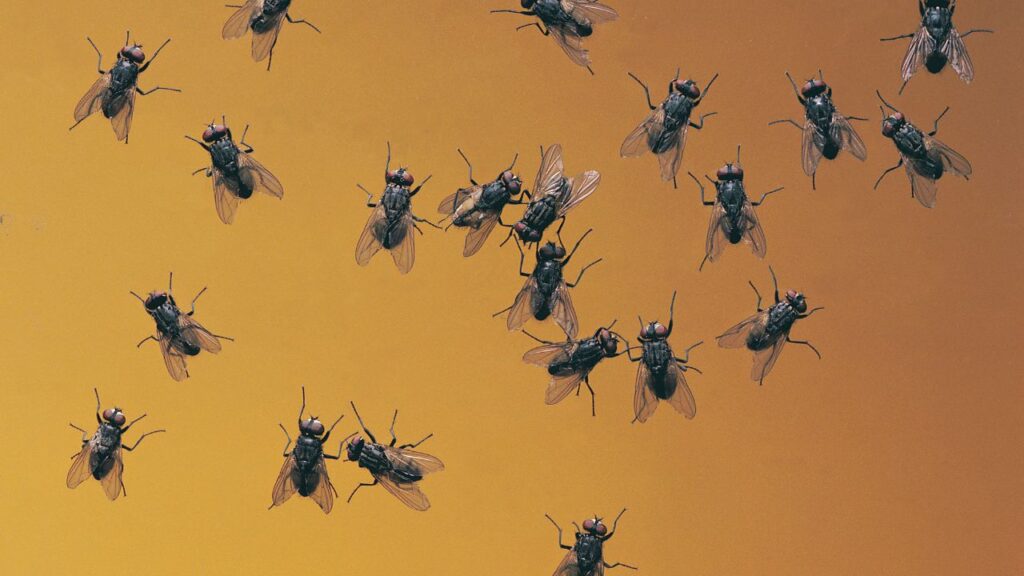
Where you’ll find them: Kitchens, trash areas
What they look like: Tiny black flies with a hunched back
Behavior: Run quickly before flying
These flies breed in:
- Garbage
- Decaying food
- Leaking pipes
- Sewage issues
According to University of California Agriculture and Natural Resources, phorid flies often indicate hidden moisture or plumbing problems.
How to Get Rid of Phorid Flies
- Inspect under sinks for leaks.
- Check garbage disposal.
- Remove trash daily.
- Deep clean hidden food sources.
- If persistent, inspect sewer line issues.
These can be trickier than fungus gnats.
4. Flying Ants (Swarmers)
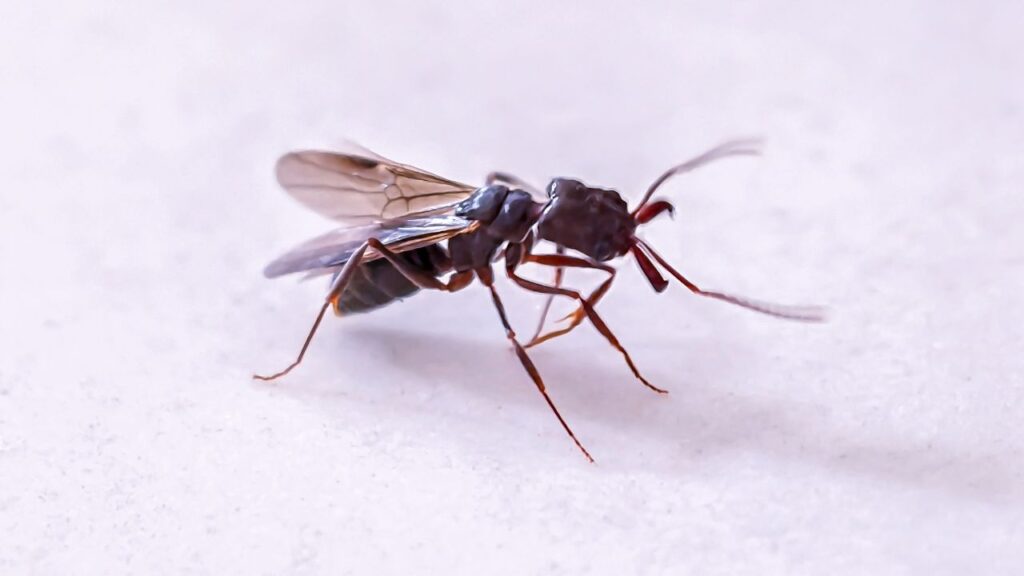
If you see larger winged black insects, you might have flying ants.
Important: Don’t confuse them with termites.
Flying ants:
- Have bent antennae
- Narrow waist
- Front wings larger than back wings
If you see many near windows, there may be a nest inside walls.
Step 2: Why They’re Appearing in Your Home
All small black flying insects have one thing in common:
They need moisture and organic material to breed.
Common causes:
- Overwatered plants
- Clogged drains
- Garbage buildup
- Pet food left out
- Humidity
- Leaky pipes
- Dirty garbage disposal
- Forgotten mop buckets
Homes in humid U.S. regions (like the Southeast) are especially vulnerable.
Step 3: The Complete Elimination Plan
Let’s build a practical, effective strategy.
1. Find the Source First
Before spraying anything:
- Observe where they gather
- Check plants
- Check drains
- Inspect under sinks
- Check trash bins
Killing adults alone does not fix the problem.
2. Remove Moisture
Use:
- Dehumidifier
- Exhaust fans
- Fix plumbing leaks
- Improve airflow
Most of these pests disappear once moisture drops.
3. Deep Clean Strategic Areas
Kitchen:
- Clean garbage disposal
- Remove food debris
- Wipe behind appliances
Bathroom:
- Scrub drains
- Clean shower corners
- Dry floor mats
Plants:
- Reduce watering
- Repot if necessary
4. Use Targeted Traps (Not Random Sprays)
Sprays kill visible flies but do not stop breeding.
Better options:
- Sticky traps
- Enzyme drain treatments
- BTI for soil
- Apple cider vinegar trap (for some species)
Natural Remedies That Actually Work
Let’s separate myths from reality.
What Works:
- Sticky traps
- BTI
- Enzyme cleaners
- Soil drying
- Drain scrubbing
What Rarely Works:
- Random insect spray
- Essential oils alone
- Plug-in bug zappers
The key is breaking the life cycle.
Prevention: How to Make Sure They Don’t Return
Once they’re gone, prevention matters.
For Plant Owners
- Water less frequently
- Use well-draining soil
- Add sand or perlite top layer
- Avoid standing water trays
For Drain Issues
- Weekly boiling water flush
- Monthly enzyme treatment
- Avoid pouring grease down sink
For General Prevention
- Take trash out daily
- Seal cracks in windows
- Use door sweeps
- Install window screens
- Keep humidity under 50%
When to Call a Professional
Call pest control if:
- Infestation lasts more than 3–4 weeks
- You suspect sewer line damage
- You see flies emerging from walls
- You suspect termites instead of ants
In these cases, contacting a local pest control company can help identify hidden infestations, structural moisture issues, or plumbing problems that may not be obvious during a basic inspection.
The Science Behind Why They Multiply So Fast
Many small flies reproduce quickly:
- Eggs hatch in 3–5 days
- Full life cycle can be under 2 weeks
That’s why ignoring them for one week can turn into dozens.
The National Pesticide Information Center explains that insect population growth is exponential under ideal conditions — especially when moisture and food are constant.
A Practical 7-Day Action Plan
Day 1–2: Identify source
Day 3: Deep clean
Day 4: Apply treatment (BTI or enzyme)
Day 5–6: Reduce moisture
Day 7: Reassess
If adults are still appearing after 2 weeks, reassess hidden moisture.
Final Thoughts
If you see small black flying bugs in your house that aren’t fruit flies, don’t panic.
They’re usually:
- Fungus gnats (plants)
- Drain flies (sinks)
- Phorid flies (decay or plumbing)
- Flying ants (seasonal swarm)
The solution is rarely “spray and forget.”
It’s:
- Identify.
- Remove moisture.
- Eliminate breeding source.
- Prevent recurrence.
Once you break the life cycle, they disappear.
And the best part? In most U.S. homes, this can be solved without heavy chemicals — just targeted action and consistency.
If you’d like, I can also create a quick visual comparison chart to help you identify exactly which one you’re dealing with.
Frequently Asked Questions
Are these bugs dangerous?
Most are harmless but annoying. They don’t spread major diseases in typical household numbers.
Why are they near windows?
They’re attracted to light.
Do they bite?
Fungus gnats and drain flies do not bite.
Why do they suddenly appear?
Eggs may already be present in soil or drains. A small moisture change triggers a population boom.