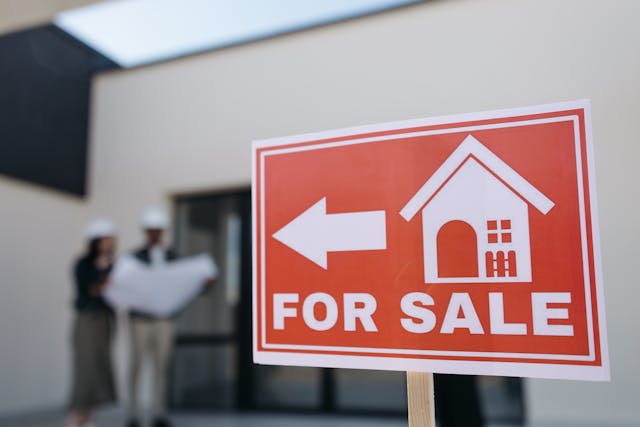
Selling a home involves choices that can significantly impact the process, timeline, and overall experience. One key distinction is between selling directly to a buyer versus listing a property on the market. Direct home sales typically involve fewer steps, less paperwork, and a faster timeline, as homeowners negotiate directly with the buyer without relying on multiple showings or agents. In contrast, listing a home often requires preparing the property for potential buyers, coordinating open houses, and navigating offers that may include contingencies or financing delays.
For homeowners considering options, understanding these differences can help in making informed decisions. Those looking to streamline the process might explore opportunities to sell your house in Louisville, KY, where direct sales can provide a simplified and efficient approach. Ultimately, evaluating personal priorities, timelines, and convenience will guide the best route for each individual situation.
Speed of Sale
Speed is often a top concern for homeowners looking to sell. The traditional listing route can take weeks or months, as it involves preparing the house, scheduling showings, negotiating offers, and waiting for buyer financing approvals. Delays can happen at any stage, from inspection contingencies to mortgage underwriting.
Conversely, a direct home sale is generally much faster. Professional home buyers or investors typically pay cash, eliminating the need for mortgage approvals. Some direct sales close in as little as seven days. This quick turnaround appeals to sellers facing relocation or financial hardship, as well as to those eager to avoid holding costs such as utilities and taxes while waiting for a buyer.
Preparation and Repairs
Listing your home on the market almost always requires repairs and presentation work. Agents often recommend updates such as painting, landscaping, or addressing structural issues to make the property more appealing. Staging with modern furniture and décor is also common, which can add both time and expense to the process.
In contrast, direct buyers, including cash buyers like those at https://webuy502.com/, typically purchase homes “as-is.” This means you can sell even if your property needs significant repairs or cosmetic updates. This option is especially helpful for homeowners who want to avoid costly renovations or for those managing inherited properties that require updating, allowing for a faster, simpler sale without the usual listing demands.
Costs and Fees
The listing process can come with significant expenses. Real estate agent commissions often range from 5% to 6% of the sale price, which can mean thousands of dollars out of pocket for the seller. Additional costs may include closing fees, repairs, and home staging. These can eat into your net profit, making it important to plan ahead.
Direct sales tend to be more straightforward. Many direct buyers cover all closing costs and do not charge commissions or hidden fees. This allows sellers to retain a larger portion of the proceeds and simplifies the overall transaction.
Certainty and Reliability
Traditional home sales are inherently uncertain. Deals can fall through due to failed financing, low appraisals, or unfavorable inspection reports. This unpredictability can prolong the process, leaving sellers in limbo until all conditions are met and the closing occurs.
With direct sales, buyers are usually ready and able to close without contingencies. The offer you receive is unlikely to change based on an inspection, and there is little risk of the buyer backing out. This reliability is ideal for sellers who need assurance that the transaction will close as planned.
Privacy and Convenience
Selling a house through traditional listing often comes at the cost of privacy. Homeowners must keep their property in pristine condition for showings, allow strangers to tour their space, and host open houses. This can disrupt daily life and complicate schedules.
Direct home sales offer a much more private, discreet, and convenient process. There are no repeated walkthroughs or open houses, allowing homeowners to avoid unwanted interruptions and maintain their routine. This convenience is frequently cited by sellers who value their privacy or who have personal reasons for limiting public exposure.
Market Exposure and Price
One of the biggest arguments for listing with an agent is greater exposure, which means your home is marketed to the broadest pool of buyers. This can spark competitive offers and potentially increase the sale price, especially in strong markets. The process, however, may drag out, and final prices are not guaranteed.
In contrast, direct buyers generally seek homes at a discount to offset the risks and convenience they offer. As a result, you may sell below market value, but gain speed, certainty, and savings on costs and repairs. Sellers must carefully weigh the value of a quick, hassle-free transaction against the possibility of achieving a higher price through traditional listing.
When to Choose Which Option
Your personal goals and constraints will ultimately determine the best path forward. A direct sale is well-suited for those who need to move quickly, avoid repairs, or prioritize privacy. It is also worth considering for inherited properties or situations involving financial hardship.
On the other hand, homeowners willing to wait for the right offer and maximize profits may prefer to list with an agent. If you have the flexibility to make repairs and accommodate the preparation and showings, listing on the open market could yield a larger check at closing.
Conclusion
Both direct sales and traditional listings offer compelling advantages. By considering factors such as speed, cost, reliability, privacy, and sale price, homeowners can make an informed choice that fits their needs and priorities. Carefully evaluate your situation and consult reputable resources to ensure you confidently pursue the option that aligns with your goals.