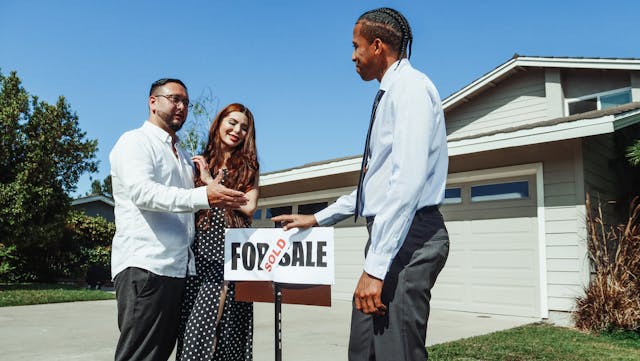
Preparing a home for the market involves more than just listing it and waiting for offers. Thoughtful preparation helps showcase the property so potential buyers can appreciate its value and envision themselves living there. This process often begins with small but impactful steps, such as decluttering, addressing minor repairs, and enhancing natural light. Creating a clean, well-maintained environment can highlight a home’s strengths while minimizing distractions that might affect a buyer’s first impression.
Understanding current market expectations and how buyers evaluate properties is equally important. Factors such as pricing strategy, timing, and presentation all play a role in how smoothly a sale unfolds. Sellers often seek guidance from professionals familiar with local conditions, such as Chanhassen real estate agent Steve Pemberton, to gain insights into buyer behavior and market trends. By combining careful preparation with informed decision-making, homeowners can approach the selling process with greater confidence and clarity, setting realistic expectations and improving the likelihood of a positive outcome.
This guide covers every aspect of home preparation, from the moment you consider selling to the final negotiations. It includes actionable advice, practical checklists, and essential insights that can lead to a quicker, more profitable transaction.
Enhance Curb Appeal
First impressions influence buyers before they even step inside. Start by mowing the lawn, trimming shrubs, and planting fresh flowers to create a welcoming environment. Power wash driveways, clean gutters, and touch up peeling paint for a polished look. Consider a new welcome mat or a freshly painted front door to stand out in listing photos and in-person visits. Simple details reinforce pride of ownership and show buyers the home has been well-maintained.
Declutter and Depersonalize
A tidy, neutral space highlights your home’s best features. Remove personal items, such as family photographs, trophies, and collections, so potential buyers can envision themselves living there. Purge excess furniture, clear out overfilled closets, and remove seasonal items from sight. Store children’s toys, pet accessories, and everyday clutter to create a sense of openness. Depersonalized interiors make it easy for buyers to emotionally connect with your home.
Address Repairs and Upgrades
Unattended repairs, such as dripping faucets, cracked tiles, or squeaky doors, can cause buyers to doubt the overall condition of your home. Fix minor problems to present a turnkey property. Consider a pre-sale inspection to uncover hidden issues and resolve them before showings. Small updates, such as new cabinet hardware, modern lighting fixtures, or energy-efficient appliances, can add immediate value. Focus on cost-effective upgrades that will appeal to today’s buyers and deliver a strong return on investment. Even basic repairs and fresh paint can make a property more appealing and help it sell faster.
Stage Key Living Areas
Staging is a proven strategy to help buyers imagine a home’s potential. Focus your efforts on the primary living room, kitchen, and master bedroom, which have the most impact on buyers’ decisions. Arrange furniture to create inviting layouts and highlight each space’s functionality. Use neutral paint colors, minimalist décor, and strategic lighting to make rooms appear larger and brighter. If possible, hire a professional stager for expert guidance.
Invest in Professional Photography
Quality photography is critical for online listings, which are the first place most buyers encounter your home. Professional photographers use wide-angle lenses, balanced lighting, and thoughtful composition to showcase your property’s best features. Consider adding a 3D virtual tour or video walkthrough to increase engagement and provide a comprehensive view. These tools help your listing stand out and can generate more showings from serious buyers.
Set a Competitive Price
Pricing your home correctly is essential to attracting offers. Review recent sales of comparable homes in your neighborhood to gauge the right price range. Take into account your home’s unique features, condition, and market timing. Avoid common pitfalls, such as overpricing, which can discourage potential buyers and keep your property on the market longer. Instead, set a price that is both realistic and competitive based on local trends and professional guidance.
Market Your Home Effectively
To reach the widest pool of buyers, utilize a multi-channel marketing strategy. List your property on popular real estate websites and apps, share it on social media, and consider hosting virtual or in-person open houses. A well-crafted listing description should highlight your home’s strengths and any recent upgrades. Professional photos, detailed floor plans, and interactive tours can give your listing an edge and encourage more inquiries from qualified buyers.
Be Flexible and Ready to Negotiate
The most successful home sales often involve flexibility and a willingness to negotiate. Accommodate showing requests whenever possible and respond promptly to offers or questions. Work with your agent to understand buyer motivations and negotiate mutually agreeable terms that address concerns about timing, contingencies, or repairs. A collaborative approach can lead to quicker closings and more satisfactory outcomes for all parties.
Conclusion
Preparing a home for sale is a strategic process that combines presentation, pricing, and proactive planning. By enhancing curb appeal, decluttering and staging interiors, addressing repairs, and investing in high-quality marketing, sellers can present their property in the best possible light. When these efforts are paired with a competitive pricing strategy and a flexible, informed approach to negotiations, the selling process becomes smoother and more predictable. Thoughtful preparation not only helps attract serious buyers but also supports a more efficient transaction and a positive overall selling experience.