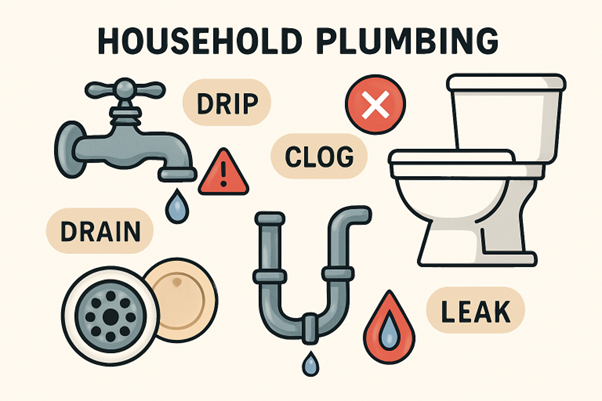
Homeownership comes with its share of responsibilities, and one of the most important is maintaining a functional plumbing system. By staying vigilant about the most common plumbing problems, homeowners can take timely action to prevent costly repairs and water damage. In addition to regular inspections, understanding when to schedule services like a sewer line inspection & repair in St. George can significantly improve the longevity and safety of your home’s infrastructure.
Plumbing emergencies never come at a convenient time, yet with a little knowledge and preparedness, you can handle minor issues before they escalate. Many of the most frequent problems have straightforward solutions or require simple preventive steps, but knowing when to call in a professional is equally important for protecting your investment in your home.
Dripping Faucets
Few household annoyances rank higher than the persistent sound of a dripping faucet. More critically, a single leaky faucet can waste over 3,000 gallons of water every year, according to the Environmental Protection Agency. The root cause is often a worn-out washer, seal, or gasket in the faucet assembly. Replacing these inexpensive components can usually stop the leak, and the fix is simple enough for most homeowners to handle on their own. However, if multiple fixtures are affected by leaks, it might indicate a deeper issue in your plumbing system.
Clogged Drains
Clogged drains are a common nuisance that often results from accumulated hair, soap scum, or food waste. Prevention is the best remedy: using drain strainers, keeping grease out of sinks, and cleaning pop-up stoppers regularly all help avoid clogs. For stubborn blockages, avoid chemical drain cleaners, as they can damage your pipes. Instead, consider a plumber’s snake or consult a professional. Chronic drain clogs may be a sign of issues deeper in your plumbing, including possible sewer line obstructions.
Running Toilets
An endlessly running toilet is more than a plumbing annoyance. It can waste hundreds of gallons of water each week, which can quickly increase your utility bill. The problem generally stems from a faulty flapper valve that doesn’t seal the tank properly. A quick inspection and replacement of the valve is often enough to fix the issue. If replacing the flapper does not stop the running, the fill valve or flush valve may need attention. These repairs are typically straightforward, with parts available at most hardware stores.
Low Water Pressure
Low water pressure can make showers unsatisfying and chores time-consuming. It is commonly caused by mineral deposits in aerators, leaks, or corroded pipes. While cleaning faucet aerators and showerheads can sometimes resolve the issue, persistent low pressure may indicate leaks or more significant pipe corrosion. In older homes, galvanized steel pipes are especially susceptible to this kind of deterioration and may require replacement. When DIY fixes don’t restore water pressure, consult a licensed plumber to diagnose and solve the root problem.
Leaky Pipes
Even a minor pipe leak can cause significant damage when left unchecked, encouraging mold growth and structural damage. Pipes are prone to developing leaks at joints, which can often be temporarily addressed with plumber’s tape or joint compound until a more permanent repair is made. For persistent leaks, replacing the section of pipe or the affected fittings is typically required. Homeowners should perform routine visual inspections, especially in basements and crawl spaces, to catch leaks early.
Water Heater Issues
Water heaters are essential for providing consistent hot water for bathing, laundry, and dishes. Issues such as lack of hot water, rust-colored water, unusual noises, or visible leaks signal it’s time to inspect your unit. A build-up of sediment is a common culprit and can often be resolved through regular flushing of the tank. If your unit is older, it may be more cost-effective to replace it than repair it, especially since newer, energy-efficient models can reduce your utility bills over time. Some issues, like faulty thermostats, can be repaired, but leaks in the tank itself require replacing the unit.
Sewer System Backups
Backups in your sewer system create an emergency situation that needs prompt professional intervention. These issues often arise from tree roots infiltrating sewer lines, debris accumulation, or broken pipes. Warning signs include simultaneous drain clogs, gurgling sounds from drains, and unpleasant odors. If water starts to back up through floor drains or you notice standing water in your basement, it is crucial to seek expert help right away. Preventative sewer line inspection services can identify and fix issues before they become catastrophic.
Burst Pipes
Burst pipes are a nightmare for homeowners, frequently occurring during cold weather when pipes freeze and then thaw. The sudden increase in water pressure can lead to catastrophic flooding and expensive repairs. To reduce your risk, insulate exposed pipes, leave faucets dripping during extreme cold, and keep your home adequately heated. If a pipe does burst, shut off the main water supply immediately and call for emergency plumbing services.
Sump Pump Failures
A functioning sump pump is vital for homes with basements or crawl spaces, especially during periods of heavy rain. Failure of the sump pump can result in flooding and water damage. Testing your sump pump at least once a year, cleaning the pump and pit, and inspecting the power supply ensure your system runs when you need it most. If your area is prone to power outages, consider a battery backup or water-powered backup system for added security.
Faulty Garbage Disposals
Garbage disposals can jam, clog, or leak due to misuse or simple wear and tear. Avoid putting fibrous materials, bones, or non-food items into the disposal. When a jam occurs, use a disposal wrench or reset button rather than reaching in with your hands. If persistent leaks or mechanical problems occur, it could be time for a replacement. Proper care and maintenance will extend the life of your disposal and keep your drains clear.
Conclusion
Staying aware of these typical plumbing issues and handling problems as they arise is key to preventing significant water and structural damage. Knowing when to tackle issues yourself and when to call in a professional will keep your plumbing system reliable for years to come.