In the rapidly changing world of construction, the materials selected for piping systems set the foundation for safe, efficient, and long-lasting infrastructure. The introduction of advanced polymers, composites, and digital technologies is pushing the industry forward, offering fresh opportunities to optimize both cost and performance. Whether developing urban infrastructure or industrial networks, choosing the right piping solution has never been more crucial. As professionals search for quality solutions, the central role of established suppliers, such as those providing steel pipe Tulsa, remains significant in ensuring that cutting-edge, reliable construction projects move forward.
Engineers and project managers must now account for factors such as environmental responsibility, lower operational costs, and the ability to withstand demanding conditions. Newer materials are engineered to handle the complex challenges of urban water systems, massive industrial operations, and eco-conscious construction. The shift toward smart connectivity, predictive analytics, and modular construction techniques further signals an era of rapid innovation. Staying aware of these evolving products and technologies is essential for maintaining a competitive edge and meeting both regulatory and client expectations.
Emerging Materials in Piping Systems
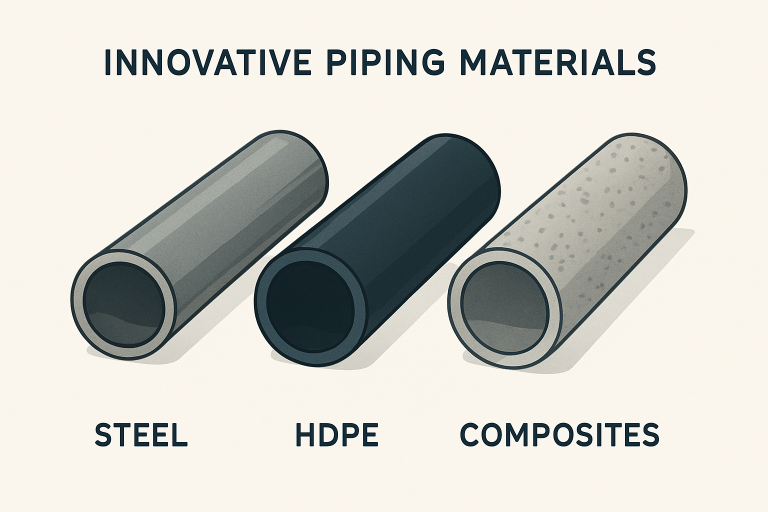
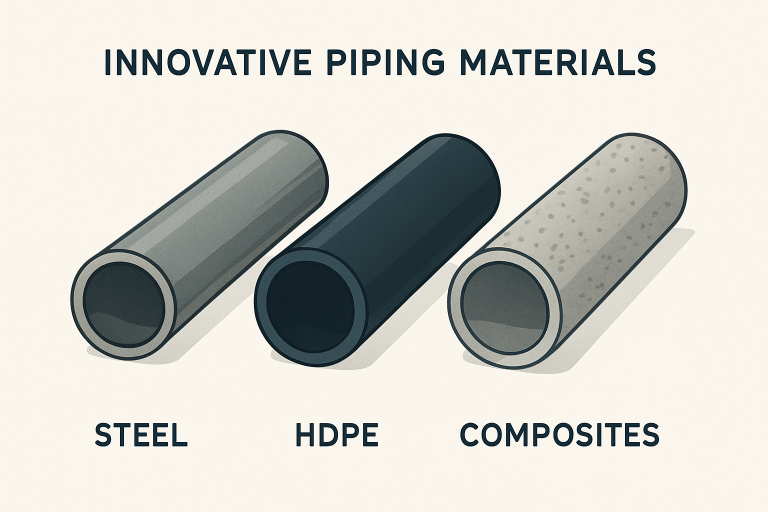
Where once steel and traditional PVC dominated the landscape, new alternatives are joining the mix. HDPE pipes have drawn significant attention thanks to their outstanding strength-to-density ratio, flexibility, and superior resistance to environmental stress and chemical exposure. Unlike metal pipes, HDPE is lightweight, corrosion-resistant, and less susceptible to breakage from ground movement or freezing conditions. These improvements make HDPE a preferred option for buried infrastructure and municipal systems, enabling easier installation and reduced long-term maintenance. This has made it a material of choice in water distribution, sewer upgrades, and irrigation networks.
Another step forward in materials innovation comes from advanced composites and high-performance polymers. Fiberglass-reinforced plastics and polypropylene pipes, for example, offer even greater resistance to corrosion, rust, and scaling than many metal and traditional plastic alternatives. These composites have a low environmental impact, often use recycled materials, and are designed for long-term durability even in harsh chemical or saline environments.
Integration of Smart Technologies
Modern construction is also integrating intelligent technology into piping systems. IoT-enabled smart pipes are equipped with a network of sensors that monitor flow rates, pressure, and temperature throughout water or industrial distribution networks. The data collected by these sensors is fed into building management systems or cloud platforms, providing real-time information that helps facilities efficiently allocate resources and rapidly detect leaks. In commercial environments, this can translate into water and energy consumption savings of up to twenty percent, lowering operational costs and advancing sustainability goals.
Artificial Intelligence (AI) is taking things a step further by analyzing sensor data and predicting system failures before they occur. These predictive analytics enable scheduled maintenance based on actual pipe conditions rather than set time intervals, drastically reducing the risk of disruptive breakdowns. Not only does this protect sensitive assets and infrastructure, but it also extends service life and reduces labor and emergency response costs.
Sustainable Manufacturing Processes
A strong push for sustainability is changing how pipes are made and installed. Manufacturers are transitioning to circular-economy models to minimize waste, reusing scrap metal and incorporating recycled resins into polymer pipes. This shift is coupled with advancements in energy-efficient steel production, including the use of electric arc furnaces and state-of-the-art heat recovery. Such innovations are crucial to reducing carbon emissions and advancing green construction standards.
These sustainable processes have real-world advantages. Pipes produced through eco-friendly practices often come with established certifications that meet, or even exceed, emerging regulatory requirements worldwide. The integration of these products allows builders and developers to meet demanding project goals while maintaining a smaller carbon footprint.
Advancements in Pipe Inspection and Maintenance
Maintaining and inspecting complex piping networks is rapidly changing with the use of robotics and advanced imaging. Autonomous robotic crawlers equipped with cameras, ultrasonic sensors, or infrared scanners can access and diagnose piping within tight, hazardous, or difficult-to-reach spaces. They allow for earlier detection of potential faults—such as cracks, corrosion, or joint failure—helping prevent larger, more expensive repairs.
An emerging technology in this realm is the soft-growing “vine” robot, which can navigate winding networks and perform visual inspections or even repair work. This technological leap is especially important for aging infrastructure and mission-critical facilities where uptime and safety are paramount.
Modular and Prefabricated Piping Systems
Modular prefabrication revolutionizes construction by enabling off-site fabrication of piping components in controlled environments, ensuring consistent quality and reducing on-site risks. This is vital in sectors like oil, gas, or utilities, where errors can cause hazards or delays. Prefabrication allows for precise design, less on-site labor, shorter timelines, and fewer safety issues. Delivered ready to install, these modules streamline logistics, making large projects more cost-effective and reliable.
Conclusion
Today’s construction professionals face both exciting opportunities and complex challenges in selecting the best piping materials and technologies. The evolution of innovative materials, integration of smart and sustainable manufacturing practices, and advances in inspection methods collectively raise the bar for modern infrastructure. Staying informed on these trends enables builders, engineers, and developers to deliver efficient, durable, and responsible projects.