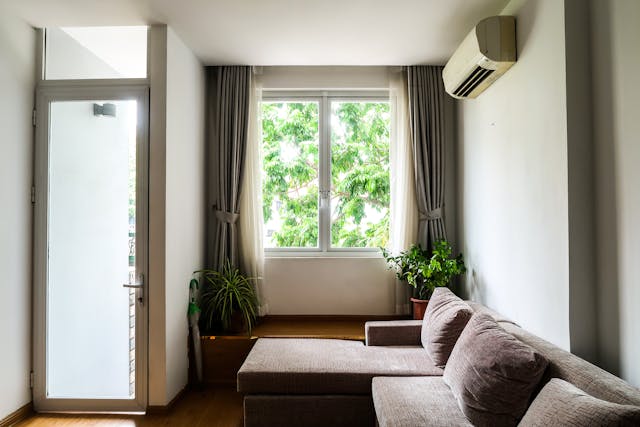
Rising outdoor temperatures and relentless sunshine can quickly make your home uncomfortably warm if you are not prepared. Finding effective ways to limit heat gain and retain cool air is essential for both comfort and energy savings. Beyond maximizing comfort, these strategies can also protect your cooling systems from overuse, reducing the chance of costly repairs. To ensure efficient and lasting relief from the Texas heat, consider partnering with professionals who specialize in air conditioning repair and cooling solutions in Katy. They can help you optimize your home’s systems while you implement these practical tips.
Many homeowners assume that keeping cool means running the air conditioning all day, but strategic changes around your home can have a much greater impact and save you money. By focusing on sun protection, improved ventilation, and mindful daily habits, you can maintain a pleasant indoor environment even during heat waves.
Taking a layered approach not only improves comfort but can significantly reduce your energy bills throughout the season. With solutions ranging from window treatments to upgraded lighting, these recommendations are designed to work for every type of household and budget.
The following steps outline how you can keep your home cool, minimize indoor heat, and enjoy summer without breaking a sweat.
1. Block Out the Sun
Preventing sunlight from pouring in is crucial for keeping interior temperatures low. Install blackout curtains, cellular shades, or blinds on all sun-facing windows, especially those on the eastern and western sides. During the hottest hours, keep these coverings closed to block direct sunlight and curb solar heat gain. This step can make a noticeable difference in how cool your rooms stay throughout the day.
2. Optimize Airflow with Fans
Good air circulation helps combat heat build-up. Make sure ceiling fans are set to rotate counter-clockwise during summer, which helps push cool air down toward occupants. Supplement with box or oscillating fans placed near windows to draw in cooler air at night or create a cross breeze that moves hot air out. When used alongside natural ventilation, fans can make a room feel several degrees cooler without increasing your utility bill.
3. Seal Cracks and Openings
Small gaps around doors and windows are common but can lead to significant losses of cool air. Use weather stripping on exterior doors and caulk any cracks or openings around windows. Not only does this keep out hot air, but it also boosts the efficiency of your cooling systems, reducing energy waste and discomfort. According to Forbes Home, sealing gaps is among the most cost-effective ways to instantly improve your home’s climate.
4. Insulate with Landscaping
Strategic landscaping can provide significant shade and enhance your home’s ability to remain cool. Planting trees or shrubs along sun-exposed windows will block radiant heat and keep indoor spaces cooler. Deciduous trees are especially effective, as their leafy canopies provide shade in summer but allow sunlight through in winter after the leaves fall. Ground cover plants near your foundation and along walkways can also help reduce heat reflection around your home.
5. Cook Smart
Heat produced from cooking can raise the ambient temperature indoors, especially in open kitchen layouts. Plan meals that require minimal cooking or use small appliances, such as toaster ovens or slow cookers, which emit less heat than traditional ovens. When possible, shift meal prep to early morning or late evening, or take the experience outside with a grill. Not only does this keep your kitchen cooler, but it can make summer meals more enjoyable and less taxing on your cooling system.
6. Manage Humidity
High humidity levels can make even moderate temperatures feel stifling. A dehumidifier removes excess moisture from the air, which in turn makes your home feel cooler. Additionally, install and use exhaust fans in bathrooms and kitchens during and after activities that generate moisture, such as showers or cooking. Lower humidity not only promotes comfort but also helps prevent mold and mildew issues over time.
7. Upgrade Window Treatments
Window treatments do more than just add style—they offer real benefits for temperature control. Consider switching to thermal or blackout curtains for high-heat windows. These curtains are made with special materials that reflect heat, keeping rooms cooler and more comfortable during the hottest parts of the day. Keeping them drawn, especially from midday until late afternoon, maximizes their cooling effect.
8. Use Energy-Efficient Lighting
Incandescent bulbs are notorious for generating unnecessary heat. Replacing traditional bulbs with energy-saving LEDs helps reduce the ambient heat within your home and cuts down on electricity bills. LEDs are not only cooler but also last much longer, making this an easy and cost-effective improvement. NYSERDA offers recommendations for selecting the right energy-efficient bulbs for every room in your house.
Conclusion
Staying comfortable through the hottest months does not require constant air conditioning. By taking these strategic steps, such as blocking sunlight, improving airflow, sealing gaps, enhancing landscaping, smart cooking, humidity management, window upgrades, and switching to efficient lighting, your home can become a cool oasis. Making thoughtful adjustments today ensures a more enjoyable and energy-efficient summer, no matter how high the temperature climbs.