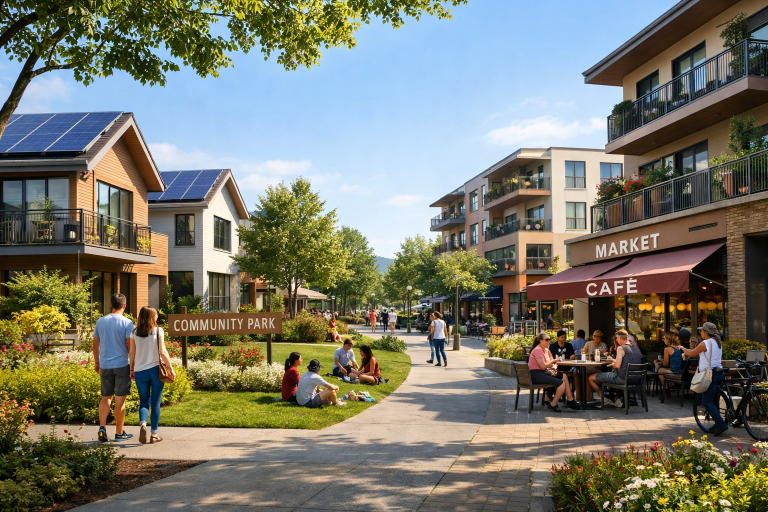
As our cities and suburbs undergo rapid transformation, neighborhood design has taken center stage in building sustainable and attractive communities. The evolution extends far beyond aesthetics, now incorporating sustainability, technology, wellness, and social inclusivity to answer the needs of today’s residents. These priorities are evident in newly planned developments like Crosswind Ranch Parrish FL, which strive to align with the latest principles in modern living. As residents seek not only houses but holistic lifestyles, developers are reimagining community structures for long-term livability and connection.
The very idea of what makes a neighborhood “modern” continues to shift. Energy efficiency, walkability, and technological advancements now share equal footing with green space and thoughtful architecture. New residents, both urban and suburban, prioritize everything from easily accessible amenities to wellness-focused environments. These shifts have sparked innovative trends that can be seen in planned communities, revitalized city blocks, and newly built suburbs across the nation.
Sustainability is often at the foundation of these new neighborhoods, but accessibility remains just as crucial. Mixed-use spaces, pedestrian-friendly paths, and thoughtfully designed communal areas not only encourage daily convenience but also strengthen connections among residents. As communities integrate these elements, they offer more than a place to live. They foster a vibrant, self-sustaining culture.
At the heart of these shifting priorities lies a desire to balance cutting-edge technology with a meaningful sense of place, identity, and well-being. Such communities are setting a new benchmark for what it means to thrive in the twenty-first century, transforming both physical landscapes and the lives of those who call them home.
Sustainable Design Practices
A growing emphasis on environmentally friendly design influences every phase of neighborhood development. Modern neighborhoods are increasingly constructed with energy-efficient systems, green roofs, and responsibly sourced materials, such as reclaimed timber and advanced composites. These systems are designed to reduce carbon footprints and operational costs over the long term. Passive solar orientation, high-performance windows, and robust insulation become standard, creating comfortable interiors regardless of local climate. According to the Architectural Digest 2024 Trend Report, these environmentally aware measures are now top priorities for future-focused developers. Such attention to sustainable practices reflects both community values and global urgency for climate resilience.
Emphasis on Walkability and Mixed-Use Spaces
As car-centric design falls out of favor, walkability and mixed-use zoning are shaping the landscapes of new developments. Wide sidewalks, protected cycling lanes, and abundant pedestrian crosswalks now define the most attractive neighborhoods. Residents benefit from easy access to shops, cafes, parks, and transit stops, which reduces dependence on personal vehicles and promotes healthier lifestyles. In addition to residential spaces, mixed-use developments seamlessly integrate commercial hubs, schools, and recreation, creating “15-minute neighborhoods” where nearly all daily needs are met close to home. This dynamic not only strengthens the local economy but also fosters spontaneous social interaction and inclusive, active living.
Integration of Smart Technologies
The impact of technology in modern neighborhood design extends well beyond in-home automation. On a larger scale, smart sensors, data-driven utilities, and digital management systems monitor everything from street lighting to waste collection. Advanced security networks and emergency response integrations contribute to safety and peace of mind for residents. Community apps can help neighbors coordinate events, reserve shared amenities, or stay updated on local news. Smart water management, electric vehicle charging stations, and energy monitoring tools further empower both residents and managers to make better choices every day. According to a recent Architectural Digest feature, these smart neighborhoods offer both convenience and resilience in facing future challenges.
Biophilic Design Elements
Biophilic design, which brings nature into the built environment, improves residents’ well-being and connects them to the outdoors. Today’s developers introduce living plant walls, rooftop gardens, and abundant native landscaping throughout communities. Water features, natural lighting, and courtyards encourage outdoor activity while fostering relaxation and reducing urban stress. By referencing patterns and materials found in local ecosystems, neighborhoods encourage a deeper ecological awareness and stewardship. Emotional and health benefits abound, confirming that these elements can enhance mood, decrease anxiety, and improve cognitive function.
Flexible and Adaptable Spaces
Modern communities understand that residents’ needs change over time. Adaptable designs include a range of floor plans and unit sizes to appeal to singles, families, and seniors alike. Multipurpose rooms can become coworking lounges, yoga studios, or meeting spaces at different times of day. Shared amenities, such as outdoor kitchens or rooftop entertainment areas, can be reserved for private events or used for impromptu gatherings. This flexibility not only futureproofs neighborhoods but also supports a strong sense of inclusiveness and utility as lifestyles evolve.
Community-Centric Development
Above all, leading-edge developers prioritize the social and emotional health of residents by fostering a sense of belonging. Central plazas, community gardens, and recreation centers serve as gathering spots that drive engagement and build relationships. Local architectural character, public art installations, and resident-driven events reinforce the neighborhood identity and make each community unique. Respecting regional history and culture in design choices ensures that neighborhoods resonate with both new and longtime residents, encouraging lasting investment and pride.
Conclusion
The most compelling modern neighborhoods marry sustainability, tech-enabled living, and human-first design philosophies. By elevating the quality of life and embedding resilience throughout every aspect of community planning, these developments respond to changing expectations and global pressures alike. Residents, developers, and city planners working together can cultivate communities that flourish for generations to come.