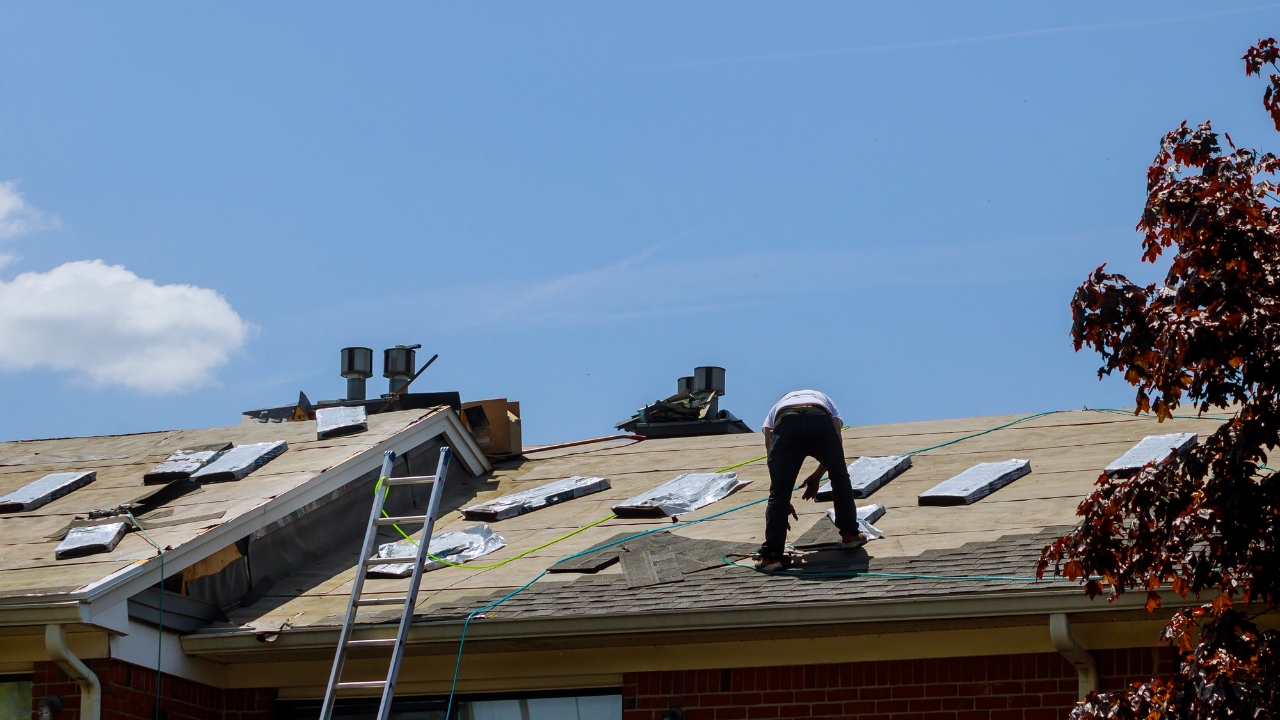
With spring’s arrival, homeowners have the ideal opportunity to check for potential roof damage that often occurs during the colder months. Winter’s harsh weather can leave shingles weakened, gutters clogged, and your home vulnerable to leaks and structural concerns. Early intervention keeps minor problems from worsening and helps protect your property. For those residing in areas with variable seasons, such as Chattanooga, TN, staying proactive is essential to keeping your roof in optimal condition. Learn more about maintaining your roofing so that it provides year-round security for your home.
Knowing the warning signs of post-winter roof damage can help homeowners avoid costly repairs and safeguard their families. A detailed inspection each spring ensures you are not overlooking critical issues hidden by snow, ice, or fallen debris.
While roofs are a primary line of defense against the elements, other additions, such as sunrooms, also provide homeowners with enjoyable, weather-resistant spaces during seasonal transitions.
1. Missing or Damaged Shingles
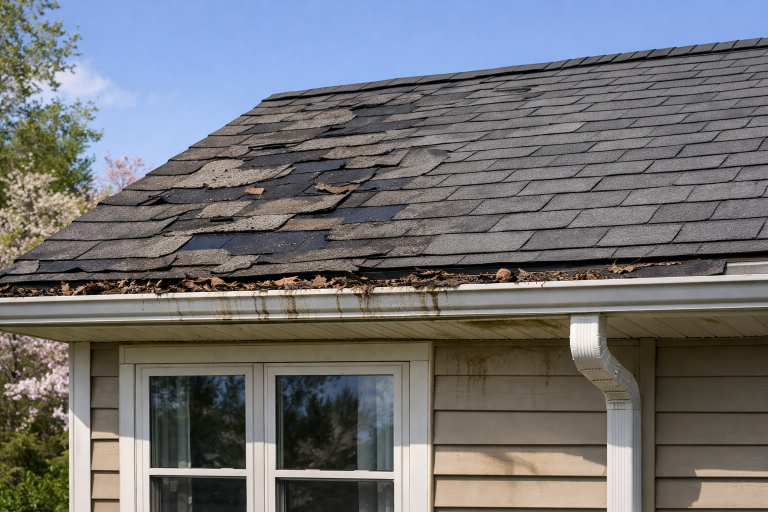
Winter storms and fluctuating temperatures can damage asphalt shingles, leading to issues like breaking, curling, or dislodging. This damage leaves the roof deck vulnerable to water infiltration, which can be identified through ground-level visual inspections after severe weather events. It is crucial to promptly repair or replace the roof to maintain its protective barrier and prevent leaks. Ignoring missing or cracked shingles can aggravate problems, as moisture can seep through small gaps, potentially causing rot in underlying wooden supports. Vulnerable areas include the roof’s edges, valleys, and ridges, which are more exposed to wind and precipitation. For thorough inspections and long-term solutions, consulting a roofing specialist is advisable. Proactive maintenance can help avoid costly repairs, as professionals can also identify additional issues that may not be noticeable during self-inspections.
2. Water Stains on Ceilings and Walls
Brown rings, or stains on ceilings or upper walls, often indicate a roof leak. Moisture can cause mold, rotting wood, and damage to insulation. Spotting these early helps protect your home and health. Water stains may have a musty odor, signaling dampness. Look for discolored spots, bubbling paint, or peeling wallpaper, which suggest water intrusion. Acting quickly to address leaks prevents further damage and safety issues.
3. Granules in Gutters
As shingles age, they shed granules that can accumulate in gutters. While some buildup is normal, excessive amounts may signal advanced wear, especially after winter freeze-thaw cycles. These granules protect against UV rays and rain. Gutter buildup suggests shingles near the end-of-life, needing attention or replacement. Ignoring this risk weakens the roof’s protection, increasing the risk of sun damage and leaks. Inspect downspouts for deposits, as they may not be visible in gutters. Regular professional checks help monitor roof health and prevent urgent replacements.
4. Sagging Roof Sections
A roof that appears wavy, bowed, or uneven often has underlying structural issues. Accumulated ice or snow over the winter can burden roof supports, potentially leading to sagging. Such dips are not only unsightly but can signal compromised rafters or joists. Immediate evaluation by a professional contractor can prevent more serious structural failures.
Sometimes sagging can be due to moisture-damaged decking or long-term weight stress from heavy snow. Inspect your attic for signs of wet wood or mold growth, as these can reinforce the need for urgent repairs. Always address sagging areas promptly, as the integrity of your entire roof may be at risk if left unresolved.
5. Damaged Flashing Around Chimneys and Vents
Flashing is the sheet metal used to seal gaps around chimneys, vent pipes, and skylights, protecting these vulnerable areas from moisture intrusion. Winter freeze-thaw cycles can cause flashing to loosen, warp, or crack. Damaged flashing is a common entry point for water, especially during spring rains. Inspect these seams and repair or replace flashing as needed to maintain a watertight seal.
If you have an older roof, flashing materials may corrode or become brittle over time. Consider upgrading to modern rust-resistant materials to increase durability. Ensuring the integrity of your flashing is just as important as maintaining shingles to prevent leaks in hidden corners of your rooftop.
6. Gutter Damage and Blockages
Gutters are essential for directing rainwater away from your house. Ice dams and winter debris can cause gutters to separate from the fascia, crack, or clog. Blockages prevent water from draining, resulting in overflow that can erode landscaping or undermine the foundation. Keeping your gutters clear and securely in place ensures proper drainage and reduces the risk of water-related damage. The Family Handyman provides helpful guidance on effective gutter maintenance.
In addition to cleaning out leaves and twigs each spring, check for loose fasteners or rust spots that could signal the start of deterioration. Repairing or resecuring gutter sections promptly will help extend the life of your roof and keep your home’s exterior looking its best.
7. Increased Energy Bills
If your energy bills rise without a clear reason, your roof may be to blame. Compromised insulation, poor ventilation, or leaks let heated or cooled air escape, forcing your HVAC system to work harder. Sealing leaks, improving attic insulation, and ensuring proper ventilation can help regulate indoor temperatures and decrease utility costs.
Besides checking the attic, make sure to evaluate vent fans, roof soffits, and ridge vents. Obstructed vents prevent efficient airflow, trapping heat or cold inside and straining your climate control systems. Simple upgrades can make a noticeable difference in year-round comfort and savings.
8. Mold or Moss Growth
Moss or mold on shingles or in your attic signals moisture issues. Moss retains moisture, speeding decay, while mold can damage materials and pose health risks. Use recommended cleaning products, trim overhanging branches, and check attic vents for airflow. Addressing moisture sources protects your home and health.
Conclusion
Spring roof assessments help homeowners spot damage early, ensuring the roof continues to protect your home. Recognize key signs and consult a professional for complex issues to extend your roof’s lifespan. Regular monitoring and timely repairs, especially after winter, enhance home durability and peace of mind, whether you DIY or hire pros.