Plumbing emergencies can disrupt your routine and threaten the safety of your home at any time. Many homeowners are caught off guard by leaks, clogs, or sudden bursts, leading to unnecessary stress and damage. By learning how to respond quickly and efficiently, you can minimize the chaos. Having a reliable resource for 24/7 emergency plumbing in Gaithersburg MD is also essential, as knowing when and who to call can prevent more serious issues down the line.
Being prepared is your best protection against unexpected plumbing mishaps. Not only does this involve knowing the basics of your home’s plumbing system, but it also means having certain tools handy and an action plan in place in case disaster strikes. The right knowledge can help you address situations safely before professionals arrive, safeguarding your property and reducing repair costs.
Quick thinking and preparation often make a difference between a contained incident and major water damage. Identifying problems early, understanding which ones require urgent professional intervention, and practicing routine maintenance are all crucial skills for homeowners. Following the advice in this guide, you can keep your home safe, protect your investment, and enjoy peace of mind.
Additionally, thorough guidance from trusted sources is invaluable. For more background and expert perspectives on dealing with home plumbing dilemmas, check reputable platforms such as The Washington Post’s advice on preventing plumbing disasters.
Identify Your Main Water Shut-Off Valve
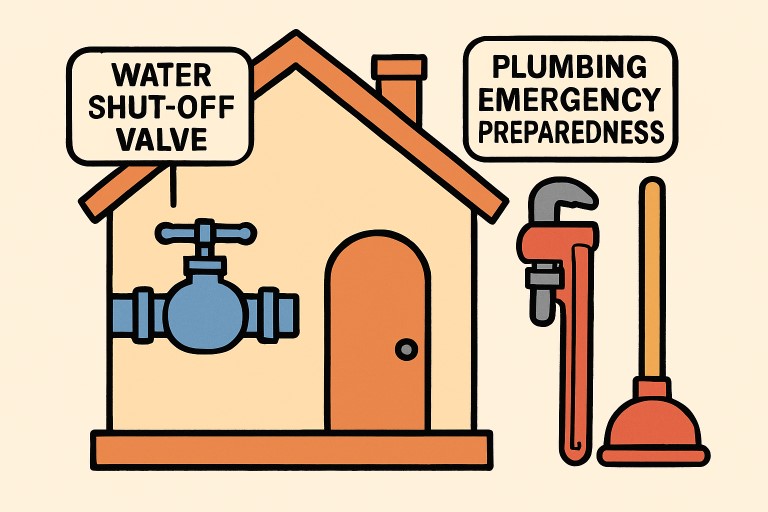
The most important step when facing a plumbing emergency is to shut off the water supply. Every homeowner should know the exact location of their main water shut-off valve. This valve is usually found close to where the main water line enters the house, typically in the basement, a utility room, or sometimes outside along an exterior wall. Make sure everyone in your household knows where it is and how to use it. When a pipe bursts or a major leak occurs, turning off the main supply can immediately limit water damage.
Assemble an Emergency Plumbing Kit
Preparation is vital for handling household plumbing issues before they escalate. Equip yourself with a well-stocked emergency plumbing kit. This should include:
- Plunger (for both toilets and sinks)
- Adjustable wrench
- Pipe wrench
- Bucket
- Towels and rags
- Duct tape
- Flashlight
- Rubber gloves
Store the kit in an easy-to-access location. Being able to grab it quickly when disaster strikes will help you act swiftly to reduce damage and begin addressing the issue.
Common Plumbing Emergencies and How to Handle Them
1. Burst Pipes
If you discover a burst pipe, act immediately. First, shut off the main water supply. This stops additional water from flooding into your home. Next, open faucets throughout your house to drain the pipes and relieve pressure. Use towels and buckets to soak up any pooling water and protect belongings or flooring. Once the situation is under control, call a professional plumber to assess and repair the damage.
2. Clogged Drains and Toilets
Clogs are among the most common plumbing emergencies. For minor blockages, a plunger can often clear the obstruction. Be careful not to use harsh chemical drain cleaners, as these products sometimes worsen the problem or corrode pipes. If a clog persists despite your efforts, it may signal a deeper issue that requires an expert’s intervention.
3. Water Heater Malfunctions
Issues such as leaks or temperature failures in your water heater need prompt attention. Begin by turning off the power supply to the unit, using the circuit breaker for electric heaters or the gas supply for gas-powered models. Then, shut off the water inlet valve to prevent further leaking. After these steps, bring in a licensed plumber to inspect and resolve the fault before more serious hazards arise.
Dealing with emergencies involving sewage backups or gas leaks also requires special caution. For the most hazardous situations, prioritize your safety and evacuate if necessary.
When to Call a Professional Plumber
Some plumbing problems are too hazardous or complex for homeowners to address on their own. Call a licensed plumber immediately if you encounter:
- Gas leaks (and notify your gas utility company as well)
- Sewage backups
- Persistent low water pressure
- Water heater failures
- Major flooding following a burst pipe or extensive leak
Delaying professional help can significantly worsen damage, leading to higher repair costs and potential health hazards.
Preventive Measures to Avoid Future Emergencies
Routine maintenance helps avoid many plumbing emergencies. Schedule a professional inspection once a year. Regular checks allow for early identification of weak or aging fixtures, leaks, or developing blockages. Keep drains clear by avoiding disposing of fats, oils, and non-degradable materials in sinks and toilets. Insulate pipes during the winter to prevent them from freezing and bursting. Whenever you notice corrosion or worn-out fixtures, replace them before failures occur.
Finally, make sure all household members are aware of shut-off valve locations and familiar with basic plumbing procedures. Even periodic refreshers on emergency protocols can make a big difference when seconds count.
Conclusion
Managing a plumbing emergency is less overwhelming when you are prepared. By understanding your system, stocking an emergency kit, and knowing when to call for professional help, you can limit damage and solve problems faster. Routine maintenance and education are key to reducing the likelihood of future incidents, so be proactive. Your home and peace of mind will benefit greatly from your diligence.