Modern residential architecture is undergoing a remarkable transformation. Driven by a commitment to sustainability, technology, and personal expression, today’s homes are being shaped into environments that truly reflect the lifestyles and values of their occupants. As homeowners desire spaces that are both functional and uniquely tailored, architects and designers are responding with forward-thinking solutions. If you are exploring new home design ideas or working with experts like architects Gladwyne, PA, it is crucial to understand the trends defining contemporary home design.
From repurposed historical structures to smart home technology, the range of innovation is broad, offering homeowners greater comfort, efficiency, and connection to nature. Designers are placing a strong focus on both environmental impact and well-being, creating interiors and exteriors that are as healthy as they are visually stunning.
Sustainable Practices in Home Design
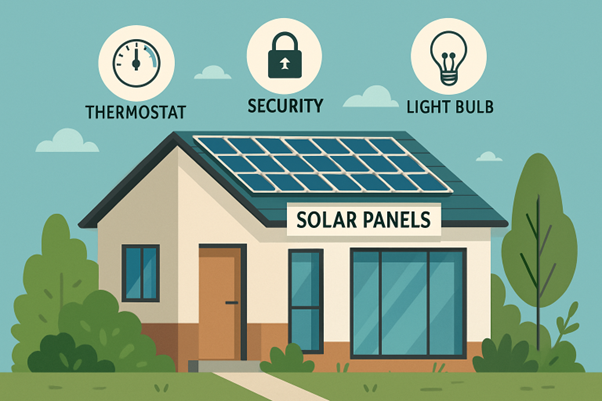
Sustainability is now a defining feature of modern residential architecture, with architects prioritizing environmentally responsible materials, energy conservation, and resource management. Green roofs, solar panels, and rainwater harvesting systems are routinely integrated into new builds. These features not only benefit the environment but also help homeowners lower their long-term energy costs. By choosing locally sourced and recycled materials and combining them with efficient windows and smart insulation, sustainability becomes an intrinsic component of home design that benefits both people and the planet.
Embracing Biophilic Design
The idea of biophilic design builds on the fundamental human need to connect with nature. By maximizing natural light, introducing indoor gardens, living green walls, and enhancing airflow, designers craft homes that feel more harmonious and uplifting. The strategic use of large windows and skylights, along with natural finishes such as wood and stone, further reinforces this connection. Research continues to confirm that environments rich in natural elements support mental health and productivity, leading more homeowners to seek these features in their residences.
Adaptive Reuse and Renovation
Adaptive reuse has grown in popularity as a means of preserving architectural history while adapting spaces for modern living. Rather than demolishing older buildings, architects are revitalizing warehouses, factories, and even barns into stunning contemporary homes. This approach honors a building’s historical significance, minimizes waste, and significantly reduces the carbon footprint associated with new construction. As adaptive reuse gains momentum, cities and towns are seeing a revitalized sense of community pride and character in their residential neighborhoods. The transformation of a former women’s community in Belgium into a vibrant educational space exemplifies how adaptive reuse can breathe new life into old structures.
Integration of Smart Home Technologies
The rise of smart homes is one of the most significant trends shaping residential architecture. By integrating technologies such as automated lighting, intelligent climate control, and security systems, modern residences now combine convenience with advanced energy management. Homeowners can control systems remotely or through voice activation, tailoring temperature and lighting preferences to their routines. This level of customization not only boosts comfort but also encourages efficient energy use.
Minimalist and Functional Aesthetics
Minimalism has become a hallmark of modern residential design. Characterized by open floor plans, clean lines, and uncluttered surfaces, this aesthetic philosophy focuses on function and intentionality. The result is a serene, visually organized environment where each design element serves a purpose. Soft, neutral color palettes and integrated storage solutions foster a sense of tranquility, supporting mental clarity and relaxation for homeowners.
Innovative Use of Materials and Textures
Architects are showing renewed interest in creative material choices to add depth and character to residential spaces. Materials such as colored concrete, reclaimed wood, brushed metals, and antique-inspired tiles introduce visual interest and texture. Geometric patterns and artisanal finishes reflect a balance between tradition and innovation, appealing to those seeking unique and sophisticated home environments. This trend is evident in some of the latest residential projects, where textures engage the senses and encourage tactile experiences throughout the home.
Personalized and Immersive Interiors
Personalization is at the heart of emerging interior design trends. Homeowners are more involved than ever in the design process, working closely with designers to express their tastes and passions. Rich textures, curated furnishings, bespoke artwork, and meaningful objects infuse each space with storytelling and authenticity. This kind of immersive interior design produces an environment with real emotional resonance, transforming a house into a true reflection of its occupants.
Conclusion
Modern residential architecture is defined by its responsiveness to the evolving needs of today’s homeowners, who demand not only efficiency and beauty, but also well-being and personalization. Whether embracing cutting-edge technology, harnessing sustainable strategies, or celebrating the best of adaptive reuse, architects are creating living spaces that are healthy, inspiring, and built for the future. By staying informed about these innovative trends, anyone embarking on a home project can ensure a lasting investment in comfort, value, and sustainability.
