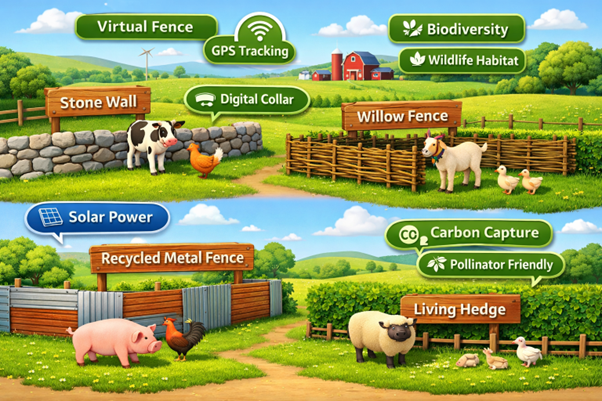
Modern agricultural operations are increasingly prioritizing sustainable, eco-friendly methods, not only in their farming practices but also in their farm infrastructure choices. Implementing environmentally conscious fencing systems can help farmers improve efficiency, reduce waste, and protect natural resources for future generations. Collaborating with a reputable fence manufacturer is a vital step for farms aiming to transition toward greener practices while maintaining durability and security.
Today’s farmers face the challenge of choosing fencing that balances operational needs with environmental stewardship. New technologies and traditional, nature-based options support this goal. Selecting sustainable fencing benefits both the farm and ecosystem, promoting responsible land use and biodiversity. This article examines top sustainable fencing options, offering practical insights for farmers seeking long-term value. From virtual fencing to organic barriers, there are many eco-friendly boundary options. Understanding these strategies helps farmers make informed decisions that align with productivity and regenerative goals. Rethinking traditional fencing and adopting new methods can significantly reduce environmental impact. These practices are crucial for the industry’s push toward sustainable agriculture.
Virtual Fencing: The Future of Livestock Management
Virtual fencing is revolutionizing animal containment by using GPS-enabled collars to set virtual boundaries. Livestock respond to audio or mild electrical cues, eliminating the need for physical fence posts and wires. This system helps minimize soil disruption, reduce material waste, and streamline pasture rotation, resulting in healthier ecosystems and improved grazing efficiency. According to BBC Future, the adoption of virtual fencing is rapidly increasing because it supports land regeneration and gives farmers unprecedented flexibility in pasture management.
Woven Willow Fencing: A Natural and Biodegradable Option
Woven willow fencing is a time-tested, sustainable, and visually appealing boundary solution. Willow rods harvested during dormancy are woven into tightly knit fences, creating strong boundaries that naturally biodegrade without leaving harmful residue. Local sourcing of materials reduces carbon emissions, while willow’s biodegradable nature maintains soil fertility as fences break down over time. This approach is particularly well-suited to small-scale farms or areas that require a lighter ecological footprint. Country Living highlights the popularity of woven willow fencing for home gardens and agricultural boundaries, as they seek natural aesthetics and functionality.
Recycled Metal Fencing: Durable and Eco-Friendly
Recycled metal fencing offers a robust solution that significantly reduces the demand for newly mined resources. Salvaged panels or repurposed steel from demolished structures make for sturdy enclosures while supporting the sustainability cycle. Coating the metal with primer and weather-resistant paint helps extend the fence’s lifespan and protects it from rust. This method not only diverts usable materials from landfills but also gives farmers the advantage of long-term durability with minimal upkeep. The process of using recycled metals also helps in reducing greenhouse gas emissions associated with new steel production, as corroborated by EPA data on the environmental benefits of material reuse.
Stone Walls: Timeless and Sustainable Boundaries
For centuries, stone walls have provided sturdy, weather-resistant boundaries across agricultural landscapes. Constructing a dry-stack stone wall using locally sourced rock minimizes the carbon footprint and the need for concrete or cement, which carry higher environmental costs. Stone walls require little maintenance, last for decades, and seamlessly blend into natural surroundings. They also support biodiversity by providing habitats for beneficial insects and small animals. Leveraging on-site or regional stone further decreases transportation emissions, making this a timeless yet environmentally conscious fencing choice.
Plastic and Vinyl Fencing: Low-Maintenance Alternatives
Plastic and vinyl fences are popular for those seeking low-maintenance boundaries that withstand weathering and decay. When constructed from recycled plastics, these fences help divert waste from landfills while reducing reliance on traditional wood and metal. Their lightweight nature makes installation easier and reduces the need for chemical treatments, benefiting the farm ecosystem. Vinyl fencing is particularly favored for enclosures and paddocks with smaller livestock or specialty crops, offering a clean look with minimal maintenance.
Natural Living Fences: Enhancing Biodiversity
Living fences, composed of rows of shrubs or trees, offer numerous benefits beyond marking property lines. These natural barriers serve as effective windbreaks, enhance soil retention, and provide habitat for insects, birds, and small mammals. Some tree species can also be tapped for wood or fruit, adding further value to the farm. Living fences exemplify regenerative agriculture, supporting pollinator populations and overall biodiversity while reducing the need for manufactured barriers. As National Geographic notes, incorporating these practices helps farms play a positive role in combating climate change and degradation.
Smart Fencing Technologies: Integrating Innovation
Technology is rapidly transforming traditional farm fencing with the introduction of smart fencing systems. IoT-enabled sensors, automated gates, and real-time voltage monitors allow farmers to track fence conditions and monitor livestock remotely. These innovations reduce labor, prevent animal escapes, and allow for proactive maintenance, increasing overall efficiency and security. Advanced smart fencing systems even support integration with farm management software for complete operational oversight.
Conclusion
Sustainable fencing solutions enable modern farms to enhance operational efficiency while fulfilling their environmental responsibilities. Whether through virtual boundaries, biodegradable materials, repurposed resources, or nature-integrated living fences, farmers now enjoy an array of options that meet both functional and ecological demands. By adopting these systems, agricultural professionals contribute to a healthier landscape and set a standard for future generations of farmers.