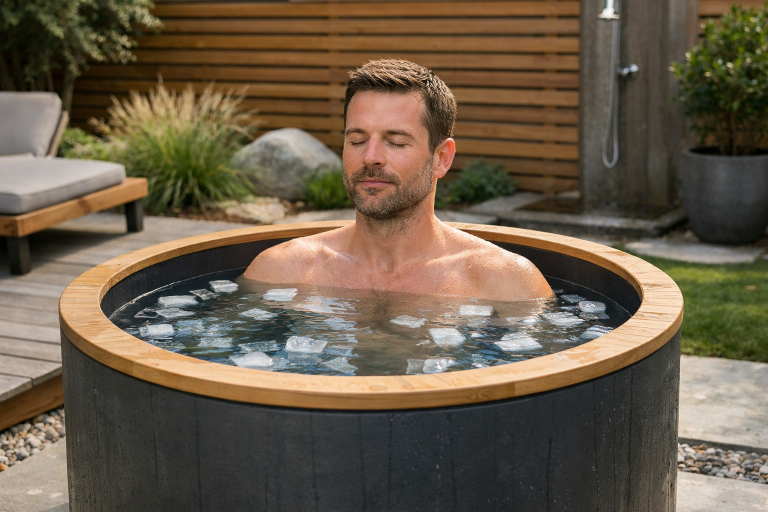
Cold plunge tubs, sometimes called ice baths, have become a popular wellness trend among athletes, fitness enthusiasts, and those looking for new ways to support their health. Cold water immersion has a long history in both traditional and modern wellness circles, and the use of purpose-built tubs for this practice is surging in popularity. As people increasingly seek out cold plunge tubs available in Salt Lake City and beyond, interest is growing in the possible health impacts of this chilly ritual.
The classic image of muscle recovery in a tub filled with ice is being reinvented by at-home plunge setups and spa experiences. However, despite the buzz, questions persist about what cold water immersion really does for the body. Can it boost your mental and physical health, or is it just another passing trend?
Potential Health Benefits
Supporters of cold plunge tubs cite numerous advantages for both the mind and body. Here’s what advocates commonly report:
- Reduced Muscle Soreness: Plunging into icy water after an intense workout is believed to reduce swelling and relieve pain. This happens as cold constricts blood vessels, which can decrease inflammation. However, it’s important to note that while some research supports these claims, other studies suggest that cooling muscles immediately after strength training may slow their recovery and growth.
- Elevated Mood and Mental Resilience: Cold exposure can also trigger a powerful response in the nervous system. It stimulates the release of neurotransmitters like dopamine and norepinephrine, leading to improved mood and mental clarity. Many users report feeling invigorated and less stressed after regular cold plunges.
- Enhanced Circulation: Regular cold plunges may strengthen blood vessels by exposing them to constraints and sudden changes in temperature, prompting them to open up and contract more effectively. This improved vascular flexibility could support heart health and overall circulation.
Scientific Perspective
Despite promising feedback from athletes and wellness pioneers, the scientific community continues to study how cold plunges affect human health. Some clinical trials and systematic reviews highlight positive outcomes, but others urge caution and point to the limitations of existing data. For example, while cold water immersion is effective for reducing post-exercise soreness and swelling, it may slightly hinder muscle development if used immediately after strength training. Some researchers warn not to overestimate the benefits until more large-scale, long-term studies are completed.
One area gaining notoriety is the effect of cold plunges on the immune system. Preliminary research suggests that regular exposure to cold may lead to increased production of white blood cells and other immune factors, potentially helping the body fend off certain illnesses. Furthermore, exposure to cold is believed to stimulate “brown fat” activity, a beneficial type of body fat that generates heat and burns calories. This could contribute to metabolic health, weight regulation, and improved energy balance over time.
Experts often remind individuals that individual responses to cold exposure can vary widely. Genetics, overall health status, and even the time of day may influence how someone responds to a cold plunge. Recent studies are starting to look at whether gender or age also play a role in how effective cold water immersion is for muscle recovery or mood enhancement. Although it’s an exciting area of ongoing research, results to date underline the importance of listening to your body and adopting a personalized approach to cold water therapy.
Safety Considerations
Cold plunge tubs are not suitable for everyone. Immersing the body in cold water can cause rapid changes in heart rate and blood pressure, making it risky for people with cardiovascular conditions, hypertension, or respiratory illnesses. There’s also a risk of hypothermia or shock if the water is too cold or if immersion lasts too long. Health experts recommend starting slowly, using moderately cool water first, and shortening session times, especially for beginners or those with underlying health issues. Consulting a healthcare provider before beginning a cold plunge routine is essential.
To minimize the risk of adverse reactions, it’s crucial to have a friend or family member nearby, especially for your first few plunges. Accidental slips, sudden dizziness, or panic responses can make self-rescue difficult. Proper tub placement, slip-resistant surfaces around the plunge area, and easy access in and out of the water also contribute to safety. It’s important, too, to avoid drinking alcohol before or after a plunge, as alcohol can impair the body’s ability to regulate temperature and increase the risk of hypothermia.
After a cold plunge, gradual rewarming is recommended. Wrapping yourself in warm towels or blankets and drinking a hot beverage can help bring your core temperature back to normal. Recognize the signs of hypothermia, such as intense, uncontrollable shivering, pale or bluish skin, slurred speech, or mental confusion, and seek help if these symptoms occur.
How to Incorporate Cold Plunges into Your Routine
For those eager to experience the invigorating effects of a cold plunge, a thoughtful approach is key. Use these tips to get started safely and maximize your results:
- Start Slowly: Use water that is cooler than room temperature for short periods, then gradually reduce the temperature as your body adapts to the cold.
- Monitor Your Body’s Response: Be aware of how you feel during and after each session. Shivering, numbness, or discomfort are signals to stop immediately. Building up tolerance over time is safer than pushing your limits on day one.
- Seek Professional Guidance: Particularly if you have pre-existing health problems or are unsure how your body will handle cold exposure, consult with a medical professional before making cold plunges a regular part of your wellness routine.
- Combine with Other Recovery Techniques: Many athletes supplement cold plunges with stretching, massage, or light activity post-immersion to further enhance muscle recovery. Creating a routine that integrates multiple recovery strategies may yield the best overall results.
- Stay Consistent: Like most health practices, consistency is often key to seeing benefits. Consider setting aside specific days or times each week for your cold plunges, making it a ritual rather than a sporadic activity. This can help you notice patterns in your response and track your progress more effectively.
Conclusion
Whether you’re drawn to cold plunge tubs for athletic recovery, mental clarity, or simply the thrill of a new wellness practice, understanding the science and recognizing the risks will help you tap into the potential benefits. As research on cold water immersion continues to grow, staying informed and approaching this trend with common sense and caution ensures you get the most out of every plunge.
Cold plunge tubs are more than just a fitness fad; they represent a unique intersection of tradition and modern wellness science. While many tout immediate effects like an invigorating mental “reset” or pain relief, long-term benefits take time to emerge. If you decide to make cold plunges a cornerstone of your health routine, prioritize safety, listen to your body’s signals, and stay up to date with ongoing research. By taking a mindful, gradual approach, you can safely discover whether this icy ritual is right for you and truly unlock its full potential for both body and mind.