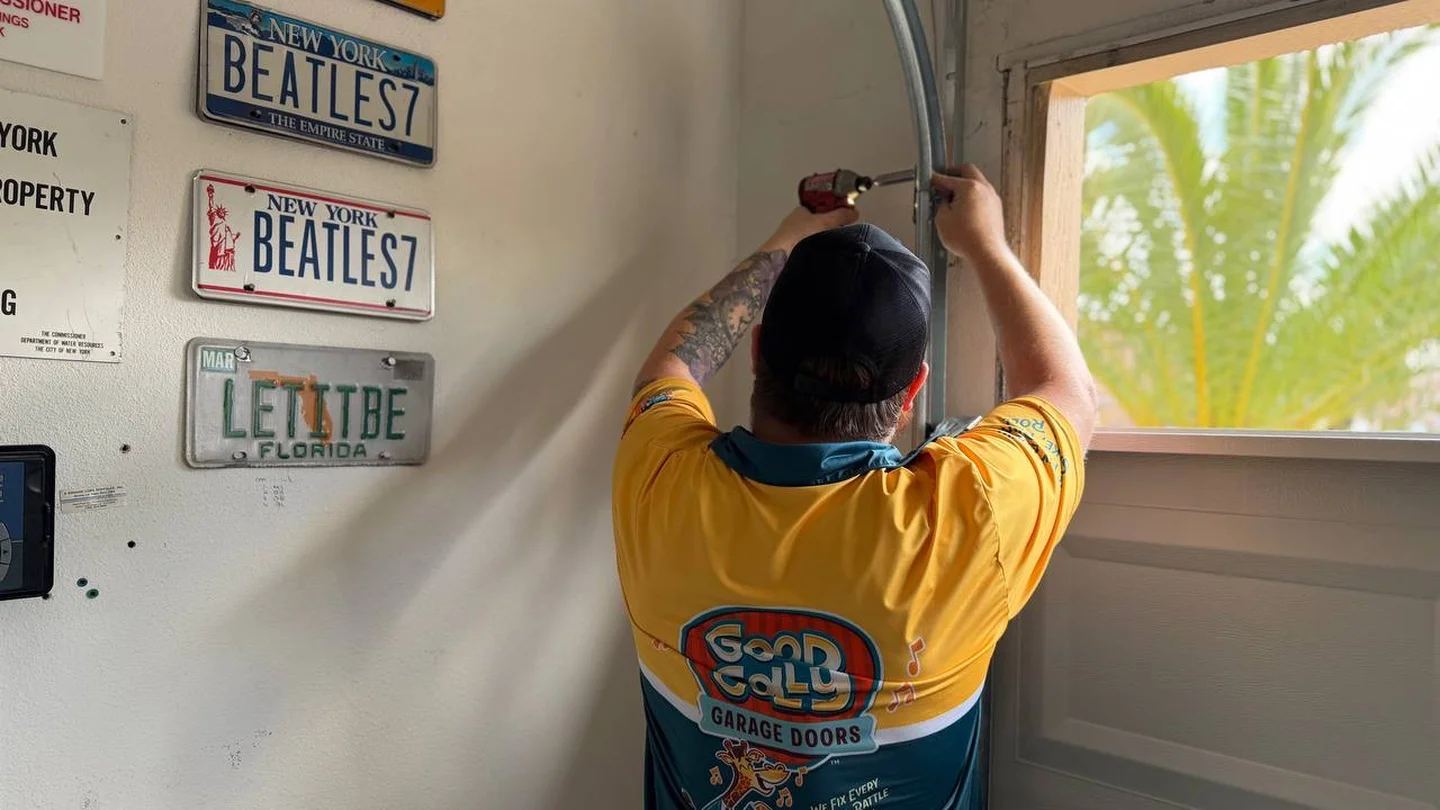
Our homes represent not just a place to live, but often our most significant financial asset. Protecting this investment goes beyond simply paying the mortgage; it requires consistent, thoughtful Home Maintenance. Neglecting regular upkeep can lead to a cascade of issues, from minor annoyances to major structural failures, ultimately eroding our property’s value and our peace of mind.
One of the most compelling reasons for proactive maintenance is its direct impact on property value. Studies suggest that regular maintenance can increase a home’s value by 1% annually. This seemingly small percentage can translate into substantial gains over time, ensuring our investment grows rather than diminishes. Furthermore, by addressing small issues before they escalate, we prevent the need for costly, extensive repairs down the line. For instance, a minor roof leak, if ignored, can lead to widespread water damage, mold growth, and compromised structural integrity, all of which can cost thousands to rectify.
The financial strain of unexpected repairs is a significant source of homeowner distress. Statistics show that a staggering 78% of homeowners experience buyer’s remorse within 12 months, often due to unforeseen repair costs. This financial burden can also take a toll on our well-being; 67% of homeowners report that unexpected home issues affect their mental health, and 63% admit it strains their relationships. The good news is that two-thirds of homeowners who faced repair issues acknowledged these problems could have been prevented with proactive maintenance. By embracing a consistent maintenance routine, we can avoid these pitfalls and safeguard both our finances and our emotional well-being.
Proactive maintenance also ensures the long-term structural integrity of our homes. Components like foundations, roofs, and siding are the backbone of our property, protecting us from the elements. Regular inspections and timely repairs of these critical elements are essential. For comprehensive guidance on maintaining various aspects of a property, homeowners often seek out resources from a trusted home maintenance provider, ensuring all systems are in optimal condition. This approach helps us identify potential vulnerabilities, such as hairline foundation cracks or worn roof shingles, and address them before they become expensive hazards. Consistent maintenance transforms our home from a potential source of stress into a secure, appreciating asset.
Proactive vs Reactive Home Maintenance
Understanding the difference between proactive and reactive maintenance can help homeowners make smarter decisions and avoid unnecessary expenses.
| Proactive Maintenance | Reactive Maintenance |
|---|---|
| Prevents major failures | Leads to costly emergency repairs |
| Preserves home value | Decreases property value |
| Reduces long-term costs | Increases overall repair expenses |
| Enhances safety and comfort | Creates safety hazards and discomfort |
| Improves energy efficiency | Wastes energy due to inefficiencies |
| Provides peace of mind | Causes stress and anxiety |
| Extends system lifespan | Shortens lifespan of components |
The specific maintenance needs of our homes often vary with the seasons, influenced by local climate and the age of the property. A home in a dry, desert climate like Victorville, CA, will have different priorities than one in a humid, coastal region. Similarly, an older home typically demands more attention than a newly constructed one. Developing a seasonal maintenance plan helps us prepare our homes for changing weather conditions, prevent common issues, and extend the lifespan of our property’s components.
Key areas to monitor year-round include our home’s foundation, roof, and siding. Regularly inspecting these elements for cracks, damage, or wear is crucial. For instance, foundation monitoring can involve checking for new cracks or changes in existing ones, which might indicate structural shifts. Roof inspections should look for missing or damaged shingles, especially after severe weather. Siding should be checked for warping, rot, or gaps that could allow moisture intrusion. Exterior caulking around windows and doors should be inspected annually and repaired as needed to maintain a tight seal against drafts and water. For landscapes, soil aeration and mulching can improve water absorption and retention, particularly important in arid regions, while also protecting plant roots from temperature extremes. Embracing WaterSense efficiency principles, such as checking for leaks and optimizing irrigation, can significantly reduce water consumption and costs.
Spring and Summer Tasks
As the weather warms, our focus shifts to preparing our homes for the heat and increased outdoor activity.
- HVAC Service: Schedule an annual AC tune-up in spring to ensure our cooling system runs efficiently before summer’s peak. This includes cleaning coils, checking refrigerant levels, and inspecting electrical components.
- Window Screens: Repair or replace damaged window screens to keep insects out while allowing fresh air in. Clean windows and frames for better natural light.
- Landscaping: Trim trees and shrubs away from the house to prevent pest access and maintain proper air circulation. Mow grass to an appropriate height (2-3 inches) to encourage deeper root growth and reduce water evaporation.
- Pest Control: Inspect for signs of pests and seal any entry points. Consider natural deterrents or professional services if infestations are present.
- Deck Sealing: Clean and seal wooden decks to protect them from sun and moisture damage, extending their life and aesthetic appeal.
- Irrigation Systems: Inspect sprinkler heads for damage and adjust them for optimal coverage, avoiding wasteful overspray. Consider using a WaterSense-labeled controller for smart watering.
- Pool Chemistry: For homes with pools, regularly test and balance pool chemistry to ensure safe and clean swimming conditions.
- Refrigerator Coils: Vacuum refrigerator coils twice a year to improve efficiency and prolong the appliance’s life.
- Ceiling Fan Direction: Reverse ceiling fan direction to counter-clockwise in summer to create a cooling downdraft.
Fall and Winter Tasks
As temperatures drop, our homes need protection from cold, wind, and potential freezing.
- Heating Systems: Schedule an annual furnace inspection and tune-up in early fall to ensure our heating system is ready for winter.
- Pipe Insulation: Insulate exposed pipes, especially in unheated areas like garages or crawl spaces, to prevent freezing.
- Frozen Pipe Prevention: Disconnect and drain outdoor hoses, and winterize outdoor faucets to prevent frozen pipes.
- Weatherstripping: Inspect and replace worn weatherstripping around doors and windows to seal drafts and improve energy efficiency.
- Chimney Cleaning: If we use a fireplace, have the chimney inspected and cleaned by a CSIA-certified sweep annually to prevent creosote buildup and fire hazards.
- Smoke Detector Batteries: Replace batteries in smoke and carbon monoxide detectors twice a year, ideally when changing clocks for daylight saving time.
- Sump Pump Testing: Test sump pumps to ensure they are working correctly before heavy rains or snowmelt.
- Attic Insulation: Check attic insulation levels and seal any air leaks to prevent heat loss and ice dam formation.
- Gutter Clearing: Clean gutters and downspouts thoroughly after leaves fall to prevent blockages that can lead to ice dams and water damage to the foundation.
- Snow Removal Prep: Prepare snow removal equipment, such as shovels and snow blowers, and stock up on ice melt.
Critical Systems: Optimizing HVAC and Garage Door Performance

Two of the most frequently used and critical systems in our homes are the HVAC unit and the garage door. Both are essential for our comfort, security, and daily convenience. Optimizing their performance through regular maintenance is key to their longevity, energy efficiency, and our overall safety. Neglecting these systems can lead to significant energy waste, costly emergency repairs, and even security vulnerabilities.
For both HVAC and garage doors, routine inspections are paramount. These checks help us identify early signs of wear, such as unusual noises, reduced efficiency, or visible damage to components. Addressing these minor issues promptly can prevent them from escalating into major breakdowns, extending the lifespan of the entire system. Furthermore, proper lubrication of moving parts, sealing against weather elements, and ensuring safety sensors are functioning correctly contribute significantly to their optimal operation and security enhancement.
Maintaining Your HVAC System for Efficiency
Our HVAC system is responsible for maintaining comfortable indoor temperatures year-round. Its efficiency directly impacts our energy bills and indoor air quality.
- Filter Replacement: We should aim to replace HVAC air filters at least once every three months, and more frequently (monthly) if we have pets, allergies, or live in a dusty environment. This simple task significantly improves air quality and system efficiency.
- Coil Cleaning: Annually, our HVAC technician should clean the evaporator and condenser coils. Dirty coils reduce the system’s ability to cool or heat effectively, forcing it to work harder and consume more energy.
- Ductwork Inspection: Periodically inspect ductwork for leaks or disconnections. Leaky ducts can waste a significant amount of conditioned air, increasing energy costs.
- Thermostat Calibration: Ensure our thermostat is calibrated correctly for accurate temperature readings and efficient system cycling. Smart thermostats can further optimize performance.
- Air Quality: Beyond filters, consider having our ductwork cleaned every few years to remove dust, allergens, and other pollutants, improving overall indoor air quality.
- Condensate Lines: Clear condensate lines of clogs to prevent water backup, which can lead to leaks and mold growth.
- Heat Registers: Vacuum heat registers and return air vents regularly to ensure unobstructed airflow.
- Energy Bills: Regular HVAC maintenance directly translates to lower energy bills by ensuring the system operates at peak efficiency.
- System Lifespan: Consistent maintenance can significantly extend the lifespan of our HVAC unit, delaying the need for costly replacements.
Essential Garage Door Home Maintenance
Our garage door is often the largest moving part of our home and a primary point of entry. Its proper functioning is vital for security and convenience.
- Spring Tension: The springs bear the majority of the door’s weight. We should have their tension checked annually by a professional to ensure the door is balanced and operates smoothly.
- Cable Integrity: Inspect the lifting cables for any signs of fraying or wear. Damaged cables can be extremely dangerous and require immediate professional attention.
- Roller Replacement: Rollers guide the door along its tracks. We should check them for wear, chips, or cracks and replace them if necessary to prevent the door from binding.
- Panel Inspection: Examine garage door panels for dents, cracks, or warping. Minor damage might be repairable, but severe issues could necessitate panel replacement to maintain structural integrity and insulation.
- Opener Functionality: Test the garage door opener’s safety features, including the auto-reverse mechanism and photo-eye sensors, monthly.
- Photo-Eye Alignment: Ensure the photo-eye sensors at the bottom of the door tracks are clean and perfectly aligned. Misalignment is a common cause of a door failing to close.
- Track Cleaning: Keep the garage door tracks clean of debris and obstructions. Also, ensure the tracks are securely mounted and free from bends or damage.
- Manual Release Testing: Familiarize ourselves with the manual release handle and test it periodically to ensure we can open the door manually during a power outage.
- Balance Checks: Periodically test the door’s balance by disconnecting the opener and manually raising the door halfway. If it doesn’t stay in place, the springs need adjustment. For any issues related to noisy operation or needing emergency loud garage door maintenance, it’s always best to consult with specialists who understand the intricacies of these systems.
Essential Safety Checks and Preventive Detection Strategies
Ensuring the safety of our homes and preventing common issues is a cornerstone of effective home maintenance. Many potential hazards, from leaks to electrical problems, can be detected and mitigated with simple, routine checks. Proactive strategies not only protect our property but, more importantly, safeguard our families.
- Leak Detection: Water leaks can be incredibly destructive and costly. We can detect leaks by monitoring our water meter: read the meter when no water is being used, then re-read it after two hours. If the reading has changed, we likely have a leak. We should also regularly check under sinks, around toilets, and near appliances for any signs of moisture or drips. WaterSense-labeled homes save over 50,000 gallons of water and over $700 in water and energy costs per year, partly due to their leak-free certification.
- Mold Prevention: Mold thrives in damp environments. To prevent it, we should ensure adequate ventilation in bathrooms and kitchens, promptly fix any leaks, and clean up spills immediately. Regularly inspect areas prone to moisture, such as basements, attics, and crawl spaces, for any signs of mold growth or musty odors.
- Fire Extinguisher Expiration: We must regularly check the pressure gauge on our fire extinguishers to ensure they are charged and verify their expiration dates. Keep them in easily accessible locations, especially in the kitchen and garage.
- GFCI Testing: Ground Fault Circuit Interrupter (GFCI) outlets are crucial safety devices, especially in areas near water like bathrooms, kitchens, and outdoor spaces. We should test them monthly by pressing the “test” button, which should trip the outlet, cutting power. Then, press “reset” to restore power.
- Electrical Panel Safety: Our electrical panel should be inspected annually by a qualified electrician to ensure all connections are secure, there are no signs of overheating, and the panel is correctly labeled. We should also know the location of our main electrical shut-off.
- Dryer Vent Cleaning: Lint buildup in dryer vents is a leading cause of house fires. We should clean our dryer vent thoroughly at least once a year, and more frequently if we notice clothes taking longer to dry. This not only prevents fires but also improves dryer efficiency.
- Carbon Monoxide Detectors: Carbon monoxide (CO) is an odorless, colorless gas that can be deadly. We should have CO detectors on every level of our home, especially near sleeping areas. Test them monthly and replace batteries twice a year. Hard-wired and battery-powered detectors should be replaced every 10 years.
- Emergency Exit Plans: Develop and practice an emergency exit plan with our family. Ensure all windows and doors can be opened easily and that there are at least two escape routes from each room.
- Tool Kit Essentials: A basic home maintenance toolkit is invaluable. It should include a hammer, screwdriver set, adjustable wrench, pliers, utility knife, measuring tape, level, and a good flashlight. For safety, always wear appropriate personal protective equipment (PPE) like gloves and eye protection when performing tasks.
Frequently Asked Questions About Home Maintenance
How much should I budget annually for home upkeep?
Budgeting for home maintenance is a critical financial strategy. Experts recommend setting aside 1% to 4% of our home’s value each year for maintenance costs. The exact percentage depends largely on the age and condition of our home. For newer homes, aiming for the lower end (around 1%) is generally sufficient. For instance, on a $350,000 new home, this translates to an annual savings goal of $3,500. Conversely, for older homes, particularly those 30 years or more, budgeting closer to 4% is advisable, which would be $14,000 annually for a $350,000 property. This fund should be separate from our general emergency fund and used for both planned maintenance tasks and unexpected repairs. Tracking our actual spending on maintenance can help us refine this savings goal over time.
Which projects are safe for DIY and which require a professional?
Deciding between DIY and hiring a professional depends on our skill level, the complexity of the task, and safety considerations. Many routine tasks are perfectly safe for DIY, such as changing HVAC filters, cleaning gutters, testing smoke detectors, or lubricating garage door moving parts. For these, ensuring we have the right safety equipment (gloves, eye protection, sturdy ladder) and basic hand tools is key.
However, certain projects inherently carry higher risks or require specialized knowledge and tools. We should always call a professional for:
- Electrical Hazards: Any work beyond basic fixture replacement, especially involving the main electrical panel or new wiring.
- Structural Changes: Alterations to load-bearing walls or foundations.
- Gas Line Safety: Installation or repair of gas appliances or lines.
- HVAC Calibration: Complex HVAC repairs, refrigerant handling, or system calibration.
- Professional Roofing: Major roof repairs or replacements, as this involves significant safety risks and specialized skills.
- Plumbing Clogs: Severe plumbing blockages that require specialized equipment or could indicate a larger system issue.
When in doubt, it’s always safer and often more cost-effective in the long run to consult a qualified professional.
How often should critical home systems be inspected?
Regular inspection schedules are vital for the longevity and efficiency of our home’s critical systems:
- Roofing: We should have our roof inspected by a qualified roofer at least every three years, and after any major storm, to check for damage, wear, or potential leaks.
- HVAC: Our HVAC system should receive professional tune-ups twice a year—once in spring for the AC and once in fall for the heating system. Air filters, however, should be changed every 30-90 days.
- Gutter Cleaning: Gutters should be cleaned at least twice yearly, in spring and fall, or more frequently if our home is surrounded by trees.
- Smoke and Carbon Monoxide Detectors: Test these devices monthly. Replace batteries twice a year, and replace the entire unit every 10 years.
- Water Heater Flushing: Flush our water heater annually to remove sediment buildup, which improves efficiency and extends its lifespan.
- Garage Door Safety Checks: Perform basic safety checks on our garage door (like testing the auto-reverse mechanism and photo-eye sensors) monthly. Lubricate moving parts every three months, and schedule a professional inspection annually.
Conclusion
Embracing proactive home maintenance is more than just a chore; it’s a strategic investment in our property and our peace of mind. By adopting regular habits, we can unlock long-term savings, boost our homeowner confidence, prioritize safety for our loved ones, and ensure the lasting value of our most significant asset. From seasonal checklists to understanding when to call a professional, every step we take in maintaining our homes contributes to a more secure, efficient, and enjoyable living environment. Let’s commit to these practices, making our homes not just a place to live, but a testament to thoughtful stewardship.