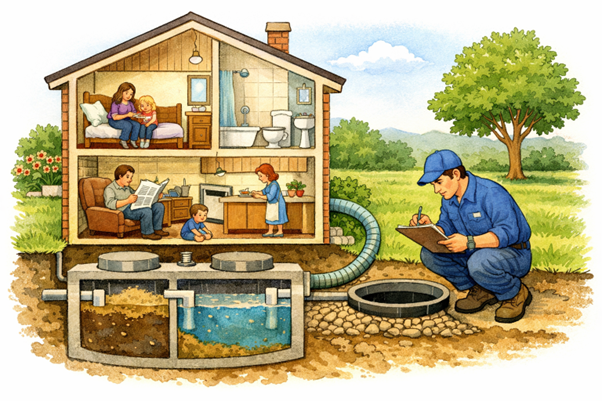
Maintaining your home’s septic system is vital for its efficiency, your family’s health, and local environmental health. Ignoring routine care can lead to malfunctions, costly repairs, and even negative environmental effects. By being proactive with maintenance, homeowners can greatly reduce the risk of problems. For anyone unsure where to start, scheduling regular septic pumping is one of the first steps to effective upkeep.
Consistent upkeep not only saves money but also prevents inconvenient system breakdowns. Understanding basic septic care principles helps keep things running smoothly, protects groundwater, and extends the system’s lifespan for years to come.
Comprehensive maintenance involves more than just pumping. Homeowners should follow recommended inspection schedules, monitor water use, and recognize early warning signs of trouble.
Some maintenance tasks are simple, everyday habits, while others require professional expertise. In addition to individual actions, residents can rely on reputable septic services to handle more technical aspects of their septic care plans.
Schedule Regular Inspections and Pumping
Industry guidelines suggest that homeowners have their septic system inspected every three years by a qualified professional. Pumping should generally occur every 3 to 5 years, though this depends on your household size and water-use patterns. Neglecting scheduled care can result in solids building up in the tank, leading to blockages and eventual system failure. The Environmental Protection Agency highlights the importance of regular assessments to ensure all components are functioning correctly and to catch issues before they escalate.
Be Mindful of What Goes Down the Drain
What you flush down your drains directly affects the performance of your septic system. Avoid flushing items such as wet wipes, feminine hygiene products, paper towels, and dental floss. These materials do not decompose easily. They can clog pipes and interfere with wastewater treatment. Similarly, avoid pouring grease, oils, and harsh chemicals down the sink. Grease cools and solidifies in pipes, while chemicals can destroy the helpful bacteria needed to process waste naturally.
Conserve Water to Prevent Overloading
High water usage can quickly overwhelm a septic system, especially during periods of heavy household activity. Simple water conservation strategies, such as fixing leaky faucets and installing high-efficiency toilets or showerheads, can make a big difference. It is also helpful to space out laundry loads and dishwasher cycles, so the system has time to settle and process waste effectively.
Protect Your Drain Field
The drain field is where sewage from the septic tank is filtered and decomposed by soil. Keeping this area clear and undisturbed is critical to its function. Refrain from parking vehicles or placing heavy objects on the drain field, as this compacts the soil and disrupts the filtration process. Plant grass or shallow-rooted vegetation to prevent erosion, but avoid trees or shrubs nearby as their roots can invade pipes and cause damage. Ensure that all gutters and downspouts direct runoff water away from the area to prevent saturation, which can lead to unsanitary conditions and system failure.
Recognize Warning Signs of System Issues
Early detection is crucial for preventing severe septic issues. Be on the lookout for slow-draining sinks or tubs, sewage odors inside or outside the home, soggy or unusually lush spots in the yard near your drain field, or gurgling sounds in the plumbing. These signs may indicate a blockage, system overload, or component breakdown. Promptly responding to these issues can help you avoid more severe problems and higher repair costs. For more guidance on early detection and troubleshooting, consult resources such as Family Handyman’s septic tank maintenance tips.
Educate Household Members
Everyone living in your home should understand the basic rules around septic system care. Talk with children and houseguests about what should not go down the drain. Make clear the importance of water conservation and thoughtful flushing habits. Keeping everyone on the same page helps prevent accidental damage and ensures your maintenance efforts are successful.
Maintain Detailed Records
A well-documented maintenance history is extremely useful for homeowners. Keep a folder with inspection reports, pumping receipts, and repair notes. Well-organized records help you track the system’s condition over time, allow professionals to deliver better service, and can even increase your property’s value if you decide to sell in the future. The Better Homes & Gardens septic system maintenance guide offers further helpful pointers on routine documentation and home care.
Conclusion
Protecting your septic system requires routine care, attention to detail, and informed decision-making. A proactive approach, including regular pumping, careful water use, and vigilant waste management, lets you maximize your system’s lifespan while minimizing health hazards and costly repairs. By investing a little time and effort now, homeowners can enjoy peace of mind, savings, and the knowledge that they are doing their part for a cleaner environment.